Would you like your breasts to maintain their shape and appearance over the years? Unfortunately, this is not entirely possible, as natural changes occur due to factors such as ageing, genetics, pregnancy, weight fluctuations, and gravity.
The good news is that you don’t have to settle for a look that makes you feel less confident. Modern cosmetic procedures offer effective solutions to help you achieve the appearance you desire. Breast augmentation is a popular option for enhancing volume and improving overall shape, while a breast lift (mastopexy) focuses on lifting and reshaping sagging breasts by removing excess skin and tightening the surrounding tissue.
These procedures are particularly beneficial for women who have experienced a loss of firmness and volume due to ageing, pregnancy, breastfeeding, or significant weight loss. They are also suitable for anyone who feels dissatisfied with the appearance of drooping breasts, regardless of age or cause.
A breast lift can restore a more youthful contour, enhance the natural shape of the breasts, and help you feel more confident and comfortable in your own body.
During breast augmentation, the surgeon places an implant to achieve the desired size and shape of the breasts. Depending on your anatomy and individual treatment plan, the implant may be positioned either beneath the breast tissue or partially under the chest muscle. The goal of the procedure is to enhance volume, improve shape, and create a more balanced, harmonious appearance. In cases of significant sagging, a breast lift may be recommended either as an alternative or in combination with augmentation.
Breast implants are filled with either silicone gel or saline solution and are enclosed in a biocompatible silicone shell. Their surface can be smooth or lightly textured, depending on your body type and the desired result. During your consultation, the surgeon will explain the available implant sizes, shapes, and types, and it is important to openly discuss your expectations and aesthetic goals.
Implants can be inserted through different types of incisions, including around the nipple, in the fold beneath the breast, or in the armpit area. Your surgeon will guide you through these options and recommend the most suitable approach before the procedure.
Breast lift surgery (mastopexy) involves several techniques, with the most appropriate method depending on the degree of sagging. The three most commonly used approaches are the periareolar, vertical, and anchor techniques.
The periareolar technique involves an incision made around the areola (the darker area surrounding the nipple). It is typically used for mild to moderate lifting and has the advantage of a discreet scar that blends naturally with the edge of the areola.
The vertical technique includes an incision around the areola that extends downward along the breast. It is suitable for moderate sagging and allows for more significant reshaping. The resulting scar is often described as “lollipop-shaped,” combining a circular scar around the areola with a vertical line below it.
The anchor technique is used in cases requiring more extensive lifting. It combines an incision around the areola, a vertical incision down the breast, and a horizontal incision along the breast crease, creating an anchor-shaped scar. While more visible, this method allows for the most comprehensive reshaping and lifting.
During the procedure, excess skin is removed and the breast tissue is reshaped to achieve a firmer, more lifted appearance. If necessary, the nipple is repositioned to a higher, more natural position. Once the desired result is achieved, the incisions are carefully closed using sutures or surgical adhesive.
Before undergoing breast augmentation or a breast lift, it is essential to attend a consultation with your surgeon to determine the most suitable approach based on your anatomy and expectations. During this meeting, you should clearly communicate your preferred breast size, shape, and overall goals, so the surgeon can recommend the most appropriate technique, implant type, and placement. You can also discuss whether combining a breast lift with implants would be the right option for you.
It is important to inform your surgeon about any prescription or over-the-counter medications you are taking, as well as any allergies or existing medical conditions. This information helps ensure your safety throughout the procedure and recovery.
To support a smooth surgery and healing process, patients are generally advised to stop smoking at least two weeks before the operation, as smoking can interfere with anaesthesia and slow down recovery. You should also avoid Aspirin, blood-thinning medications, vitamins, and herbal supplements for at least two weeks prior to surgery to reduce the risk of post-operative bleeding.
Do not eat or drink anything for at least six hours before the procedure, and avoid alcohol for 24 hours beforehand. On the day of surgery, all jewellery, piercings, and makeup should be removed.
After breast augmentation or a breast lift procedure, it is important to follow post-operative guidelines carefully to ensure a smooth recovery and optimal results. Shortly after surgery, you will typically wake up wearing elastic bandages, gauze dressings, and a surgical bra. Movement should be limited at first, although light walking is recommended as soon as possible to support healthy circulation.
In the following days, pressure bandages are usually removed, but you will need to continue wearing a supportive surgical or sports bra for several weeks to help reduce swelling and support healing tissues. Strenuous physical activity should be avoided—initially for several weeks, and in some cases for longer—especially movements that involve lifting or raising the arms above the head, as these can place tension on the healing area and affect scarring.
Swelling, bruising, tenderness, and mild discomfort are common during the first one to two weeks after surgery, and in some cases may last longer. You may also experience temporary numbness, burning sensations, or increased sensitivity. Cold compresses or ice packs can help relieve these symptoms. Stitches are typically removed after about a week, and products such as Vitamin E oil may be recommended to support skin recovery and scar care.
While the incisions are healing, it is important to avoid baths, swimming pools, and other activities that could increase the risk of infection. Most patients feel significantly better within two weeks, although some swelling and sensitivity may persist. Many are able to return to work within approximately three weeks, depending on the nature of their job.
Attending all follow-up appointments and carefully following your surgeon’s instructions is essential to monitor healing and achieve the best possible outcome.
As with any surgical procedure, breast augmentation and breast lift surgery involve certain potential risks and complications, which should be carefully considered in advance.
Among the more common risks are infection, bleeding, swelling, and pain. In the case of breast implants, additional complications may include capsular contracture, where scar tissue forms around the implant and causes it to feel firm or appear distorted, as well as implant rupture or leakage.
In some cases, the presence of implants may make breast cancer more difficult to detect during screening. Patients may also notice changes in breast sensitivity, shape, or size, and some may require further procedures in the future, either to address complications or to replace the implants.
For breast lift procedures, there is a possibility of reduced nipple sensitivity, particularly if the nipple needs to be repositioned during surgery. This can affect the surrounding nerves and may lead to temporary numbness. Although sensation usually returns over time, full recovery can take up to a year.
There is also a risk of infection at the incision sites, especially if post-operative care instructions are not followed properly. For this reason, it is essential to carefully follow all guidance provided by your surgeon and attend recommended follow-up appointments.
Before deciding on surgery, it is important to discuss all potential risks, complications, and expected outcomes with your surgeon to make an informed and confident decision.
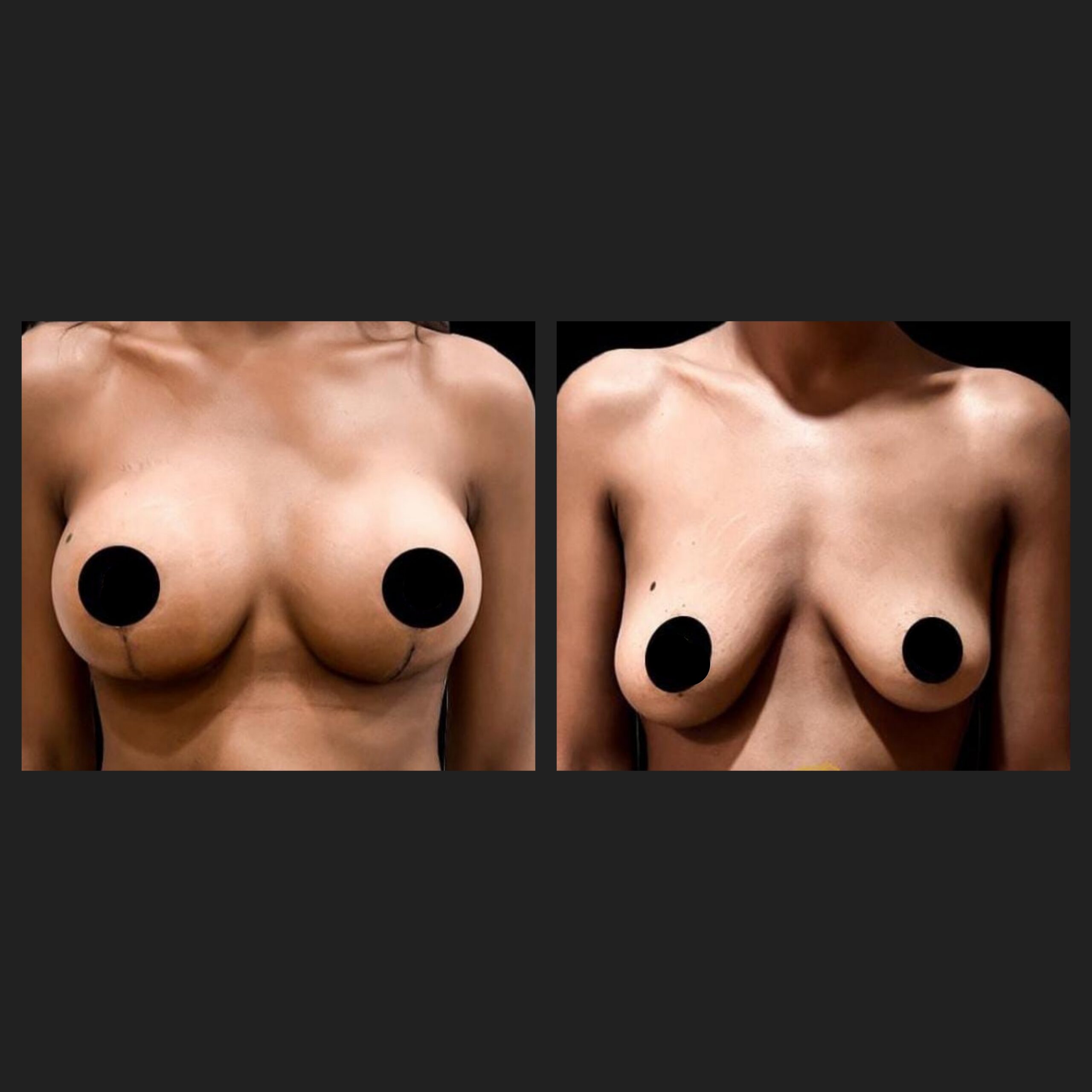
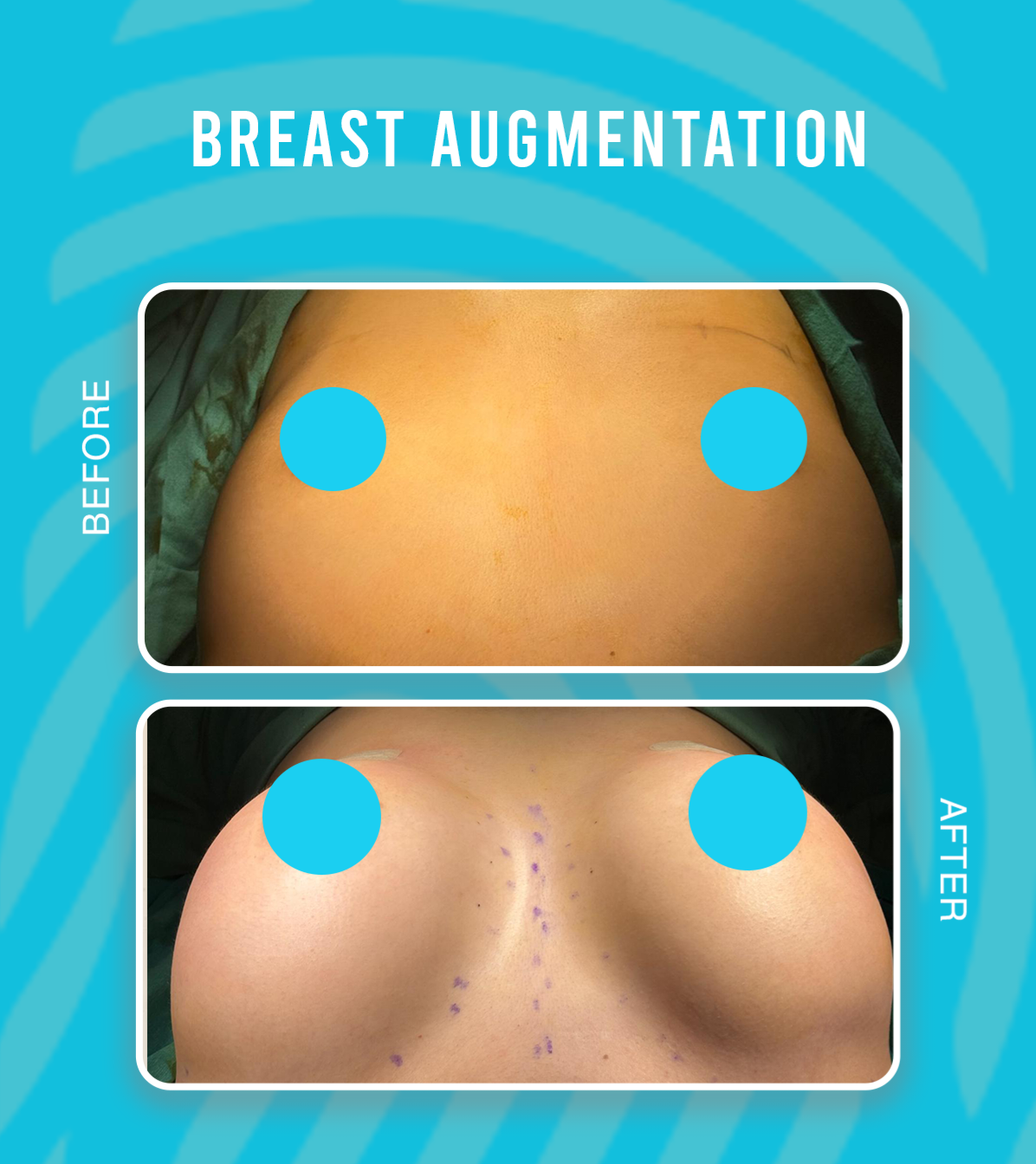
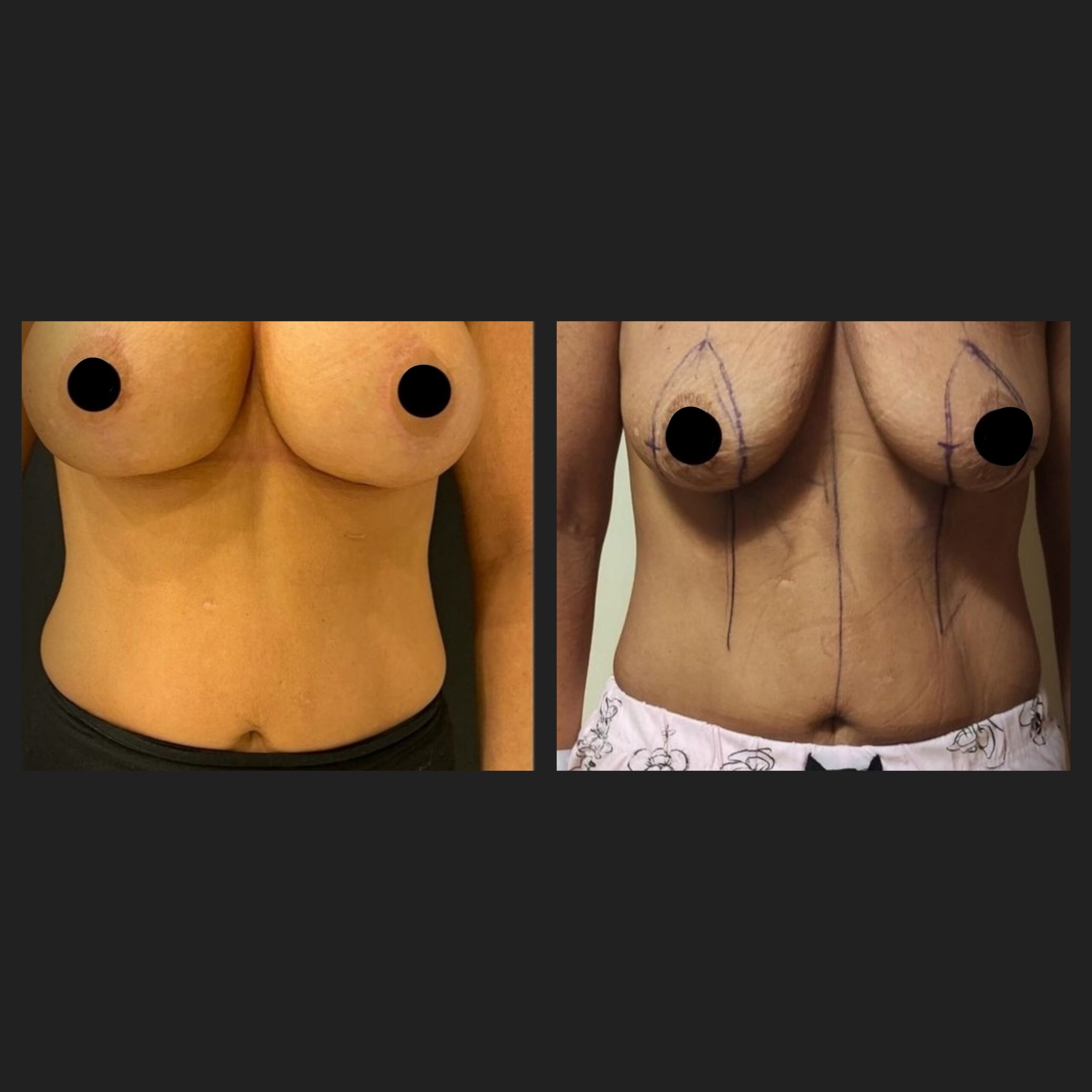
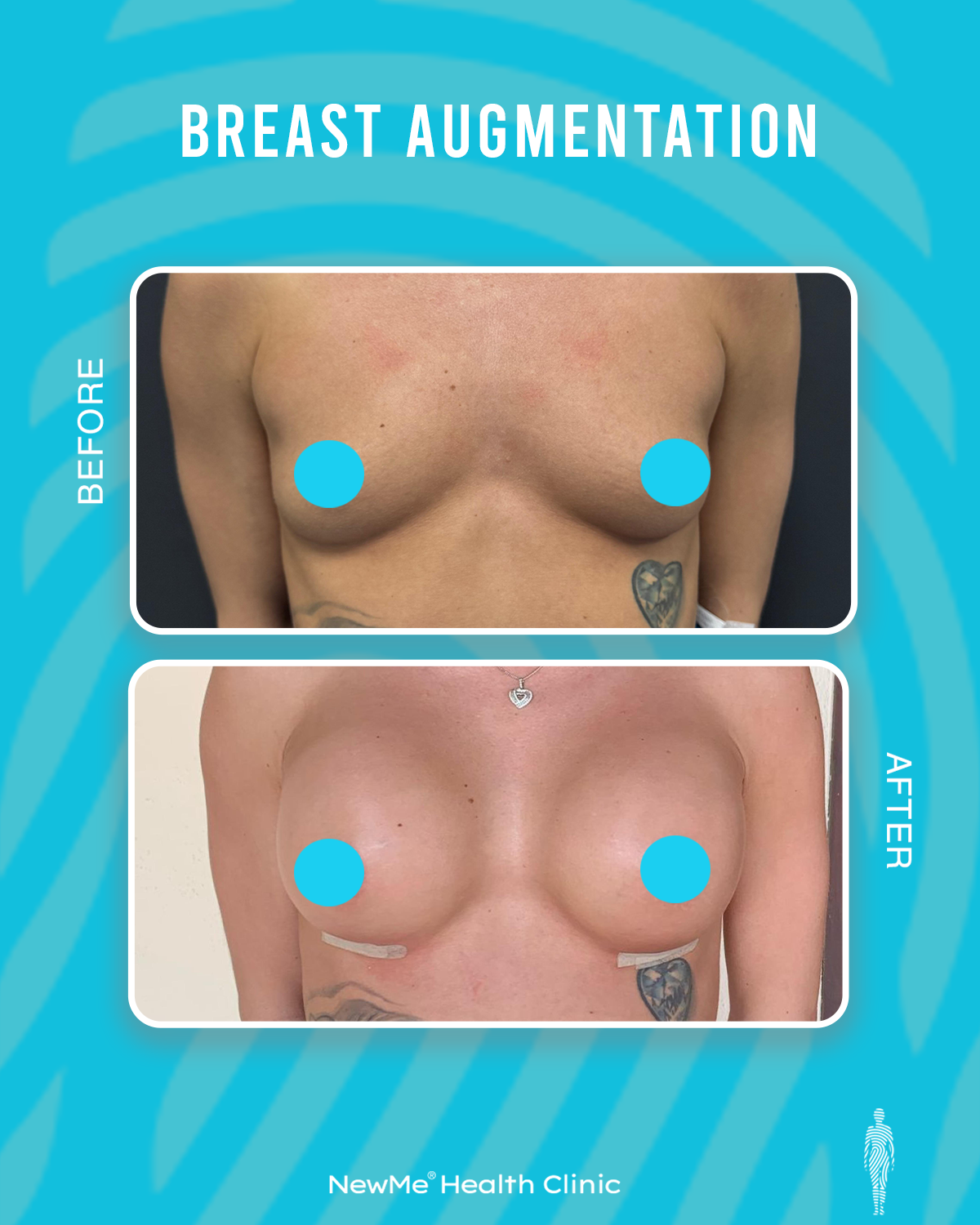
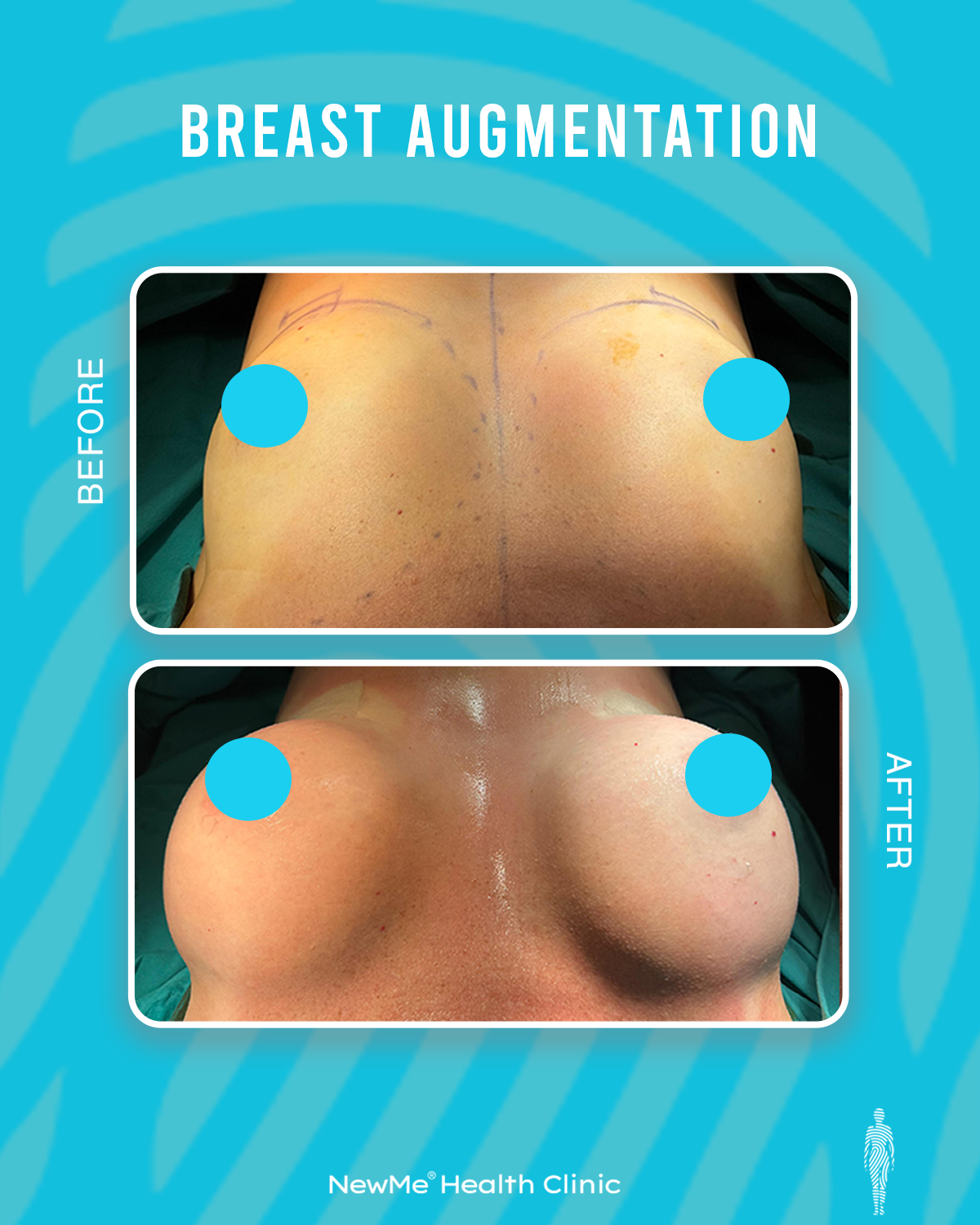
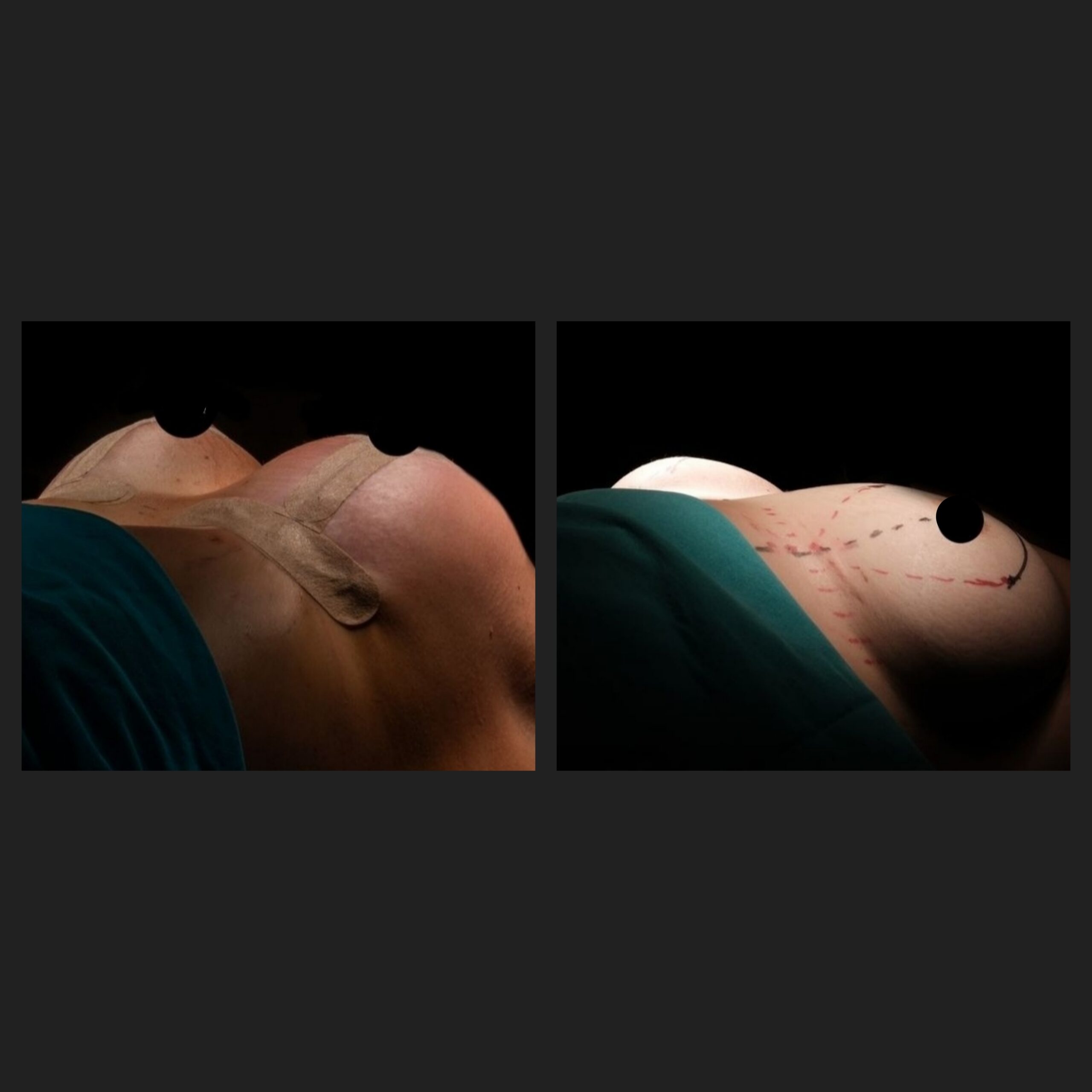
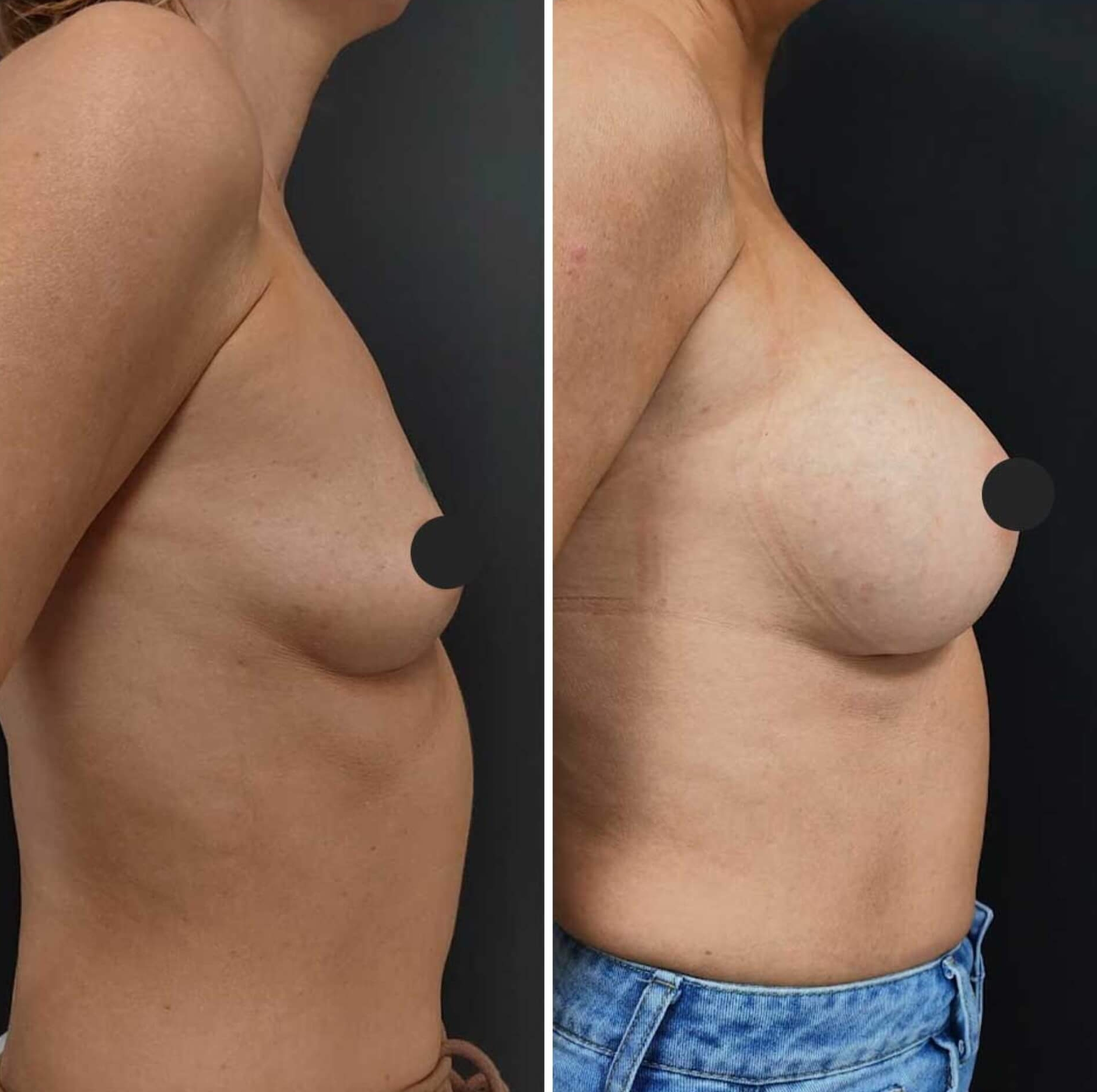
Before and after