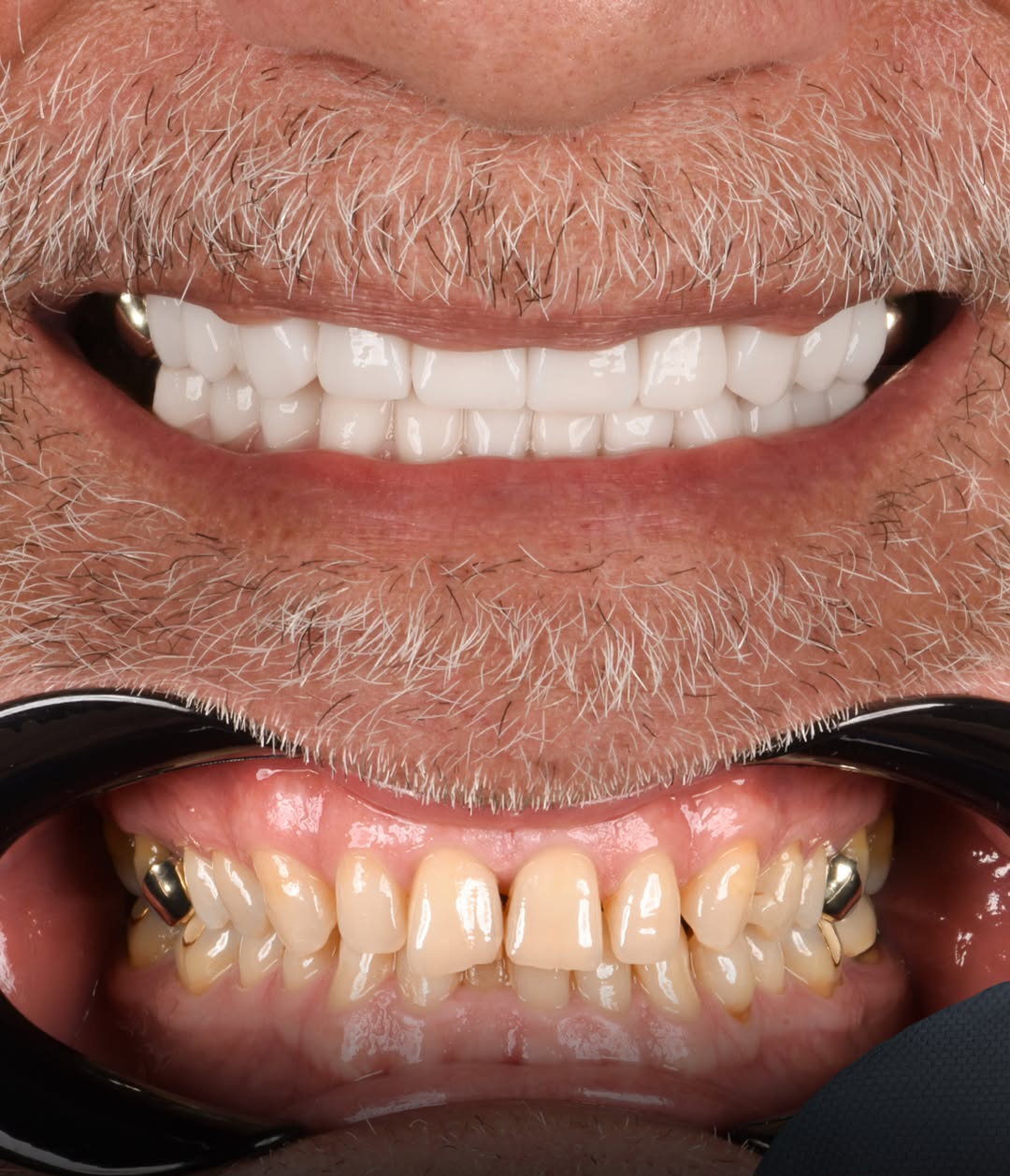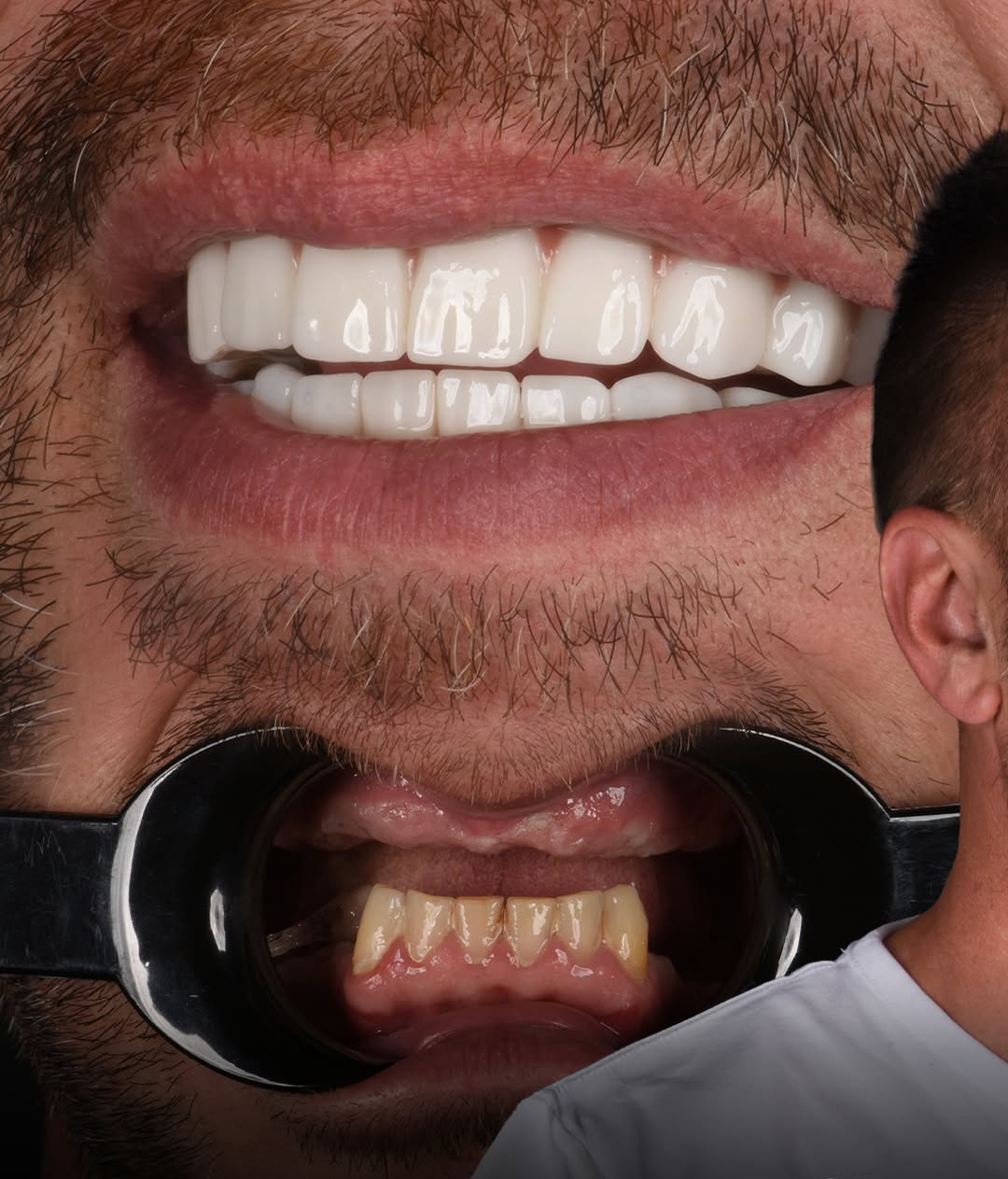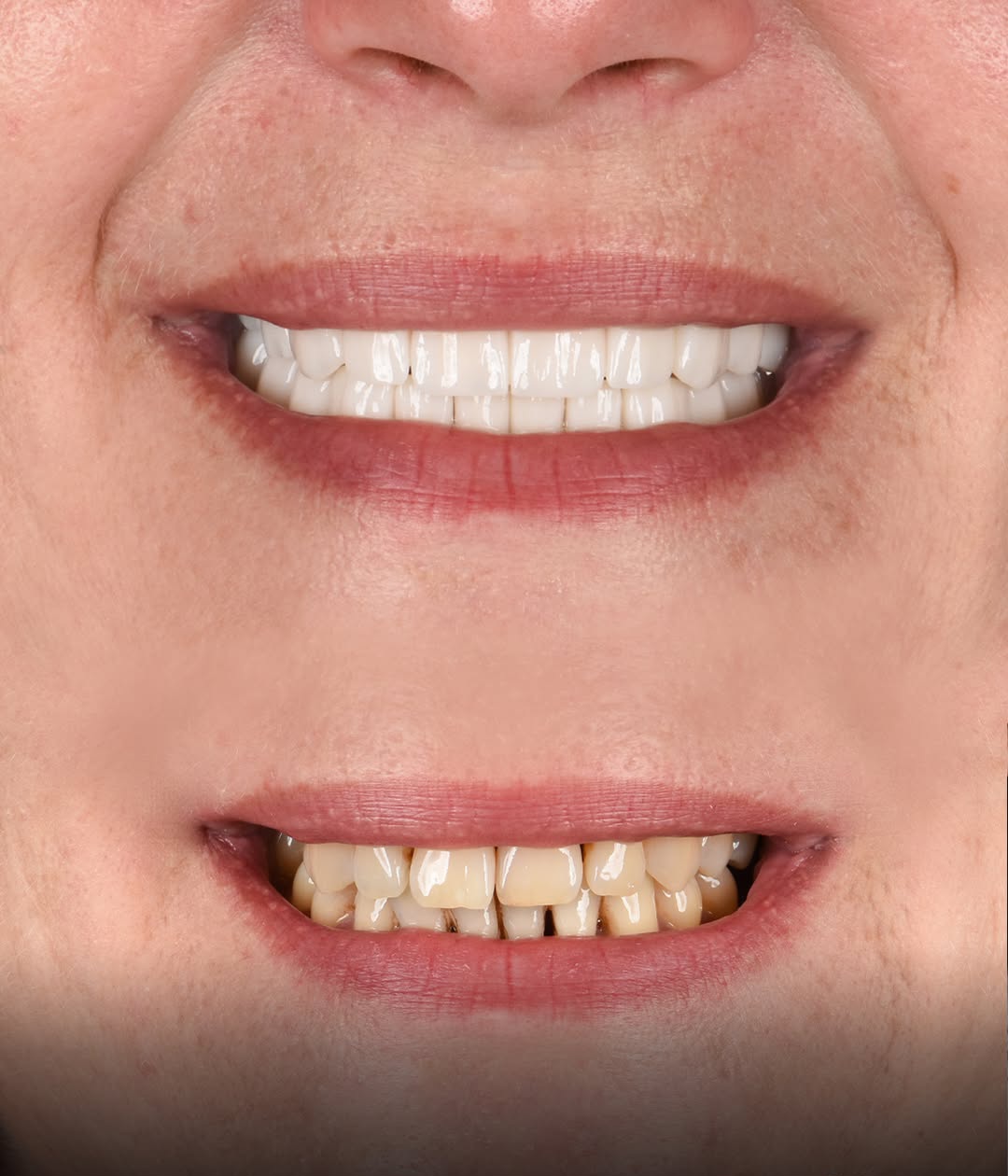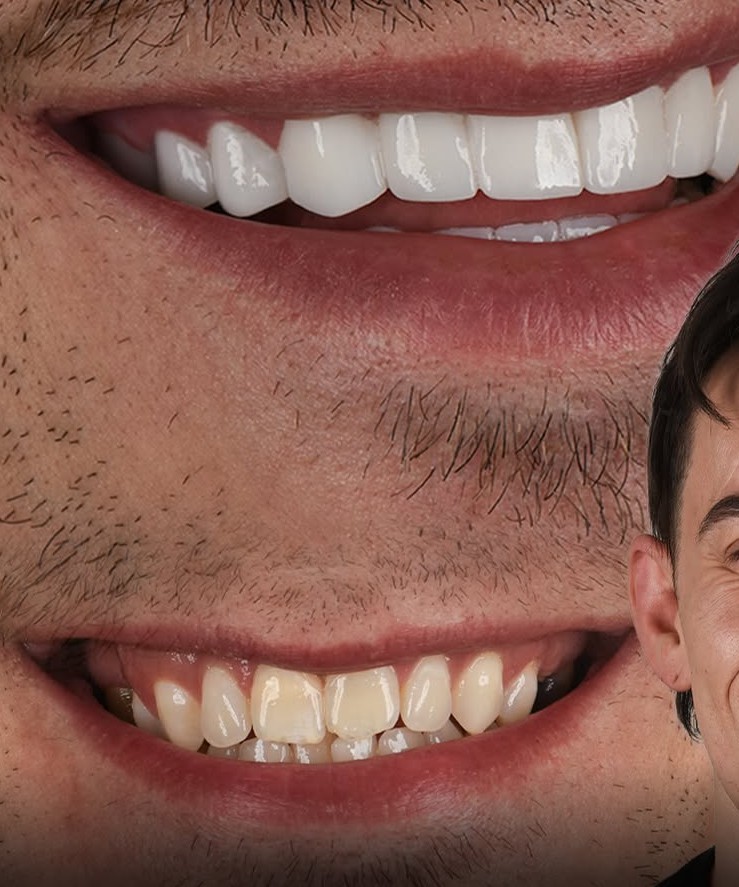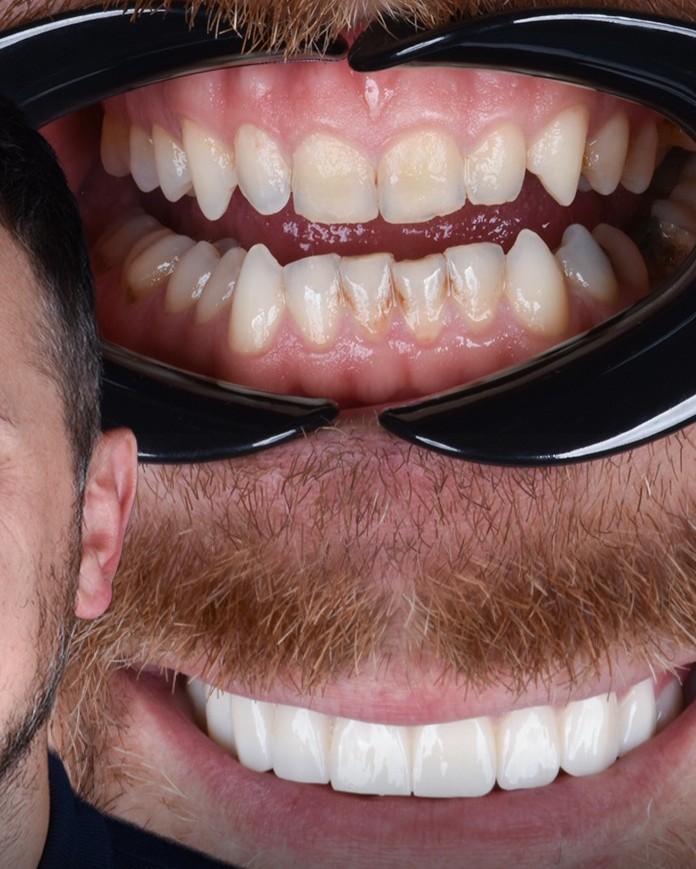
Many people today travel to Turkey for dental implants, crowns, and veneers to achieve a beautiful Hollywood smile at prices up to 60% lower than in Europe — without compromising on quality.
We work exclusively with carefully selected dental clinics in Antalya that offer modern technologies, experienced specialists, and a personalized approach to every patient. With a strong focus on quality, safety, and transparency, we help you find the solution that best suits your needs — whether you require a single crown, dental implants, or a complete smile makeover.
You can also combine your treatment with a stay by the sea and enjoy a few days in one of the Mediterranean’s most popular destinations. From the initial consultation to your return home, we guide you through the entire process and help you achieve a healthy, confident smile.
Among the dental treatments most frequently sought in Turkey are dental implants, crowns, bridges, root canal therapy, and aesthetic procedures such as teeth whitening and veneers.
These procedures are often available in Turkey at significantly lower prices than in many other countries, including EU countries.
Dental implants are designed to replace missing teeth and can also be used to support dentures. The implant itself is a titanium screw that serves as an artificial tooth root.
Before the final crown can be attached, the implant usually needs around 3 to 6 months to fully integrate with the bone. During this healing period, the jawbone gradually grows around the implant, creating a stable foundation similar to a natural tooth root.
In many cases, implant placement is recommended soon after tooth extraction. If too much time passes, changes can occur in the area of the missing tooth, which may later make the treatment more complex, longer, and more expensive.
The implant procedure is painless and is carried out under local anaesthesia. Depending on how many teeth need to be replaced, the treatment may take anywhere from around 60 minutes to several hours.
Implant placement is considered a safe treatment, and titanium is one of the most biocompatible materials used not only in dentistry but also in many other areas of medicine. Dental implants offer a modern, reliable, and aesthetic solution for restoring missing teeth.
A dental crown is a custom-made artificial restoration used to cover a damaged tooth or to replace a missing tooth after extraction. Teeth are essential not only for proper function but also for appearance, and dental crowns help restore both.
When are dental crowns used?
To protect a tooth after root canal treatment
To replace a missing tooth with an implant
To repair a broken or weakened tooth
To improve the colour and shape of a tooth
To adjust the height of a tooth
Fitting a dental crown usually requires at least two appointments.
During the first visit, the natural tooth is prepared by reshaping it, reducing its size, or rebuilding damaged areas so the crown has a strong foundation. An impression or digital scan of the teeth is then taken, and the crown is produced in a dental laboratory. In the meantime, the prepared tooth is covered with a temporary crown for protection.
At the second visit, the final crown made in the laboratory is placed onto the prepared tooth.
When a tooth has already been removed, it is usually first replaced with an implant, which is a titanium screw acting as an artificial root. The implant typically needs 3 to 6 months to fully integrate with the bone before the crown can be attached.
A crown is designed to look like a natural tooth, but it can be made from different materials such as metal, porcelain, or zirconia, depending on the patient’s needs and preferences.
Many dental clinics in Turkey use modern technologies such as digital scanning, 3D printing, and CAD/CAM systems to create highly precise crowns that are customised to the patient’s individual requirements.
Dental veneers
Dental veneers are thin, individually crafted shells designed to cover the front surface of the teeth. They are usually made from porcelain or composite resin and are used to enhance the overall appearance of the smile.
In which cases are dental veneers used?
For tooth discolouration or staining that cannot be improved with whitening treatments
For chipped, cracked, or worn teeth
For teeth that are uneven, misaligned, or irregular in shape
For gaps or spaces between teeth
For teeth that appear too small or too large in proportion to the mouth
Before starting veneer treatment, patients usually have a consultation with their dentist to review the available options and determine the most suitable solution. The dentist then prepares the teeth by removing a very thin layer of enamel, takes impressions or digital scans, and sends them to a dental laboratory where the custom veneers are created.
Once the veneers are ready, they are bonded to the teeth using a special adhesive. The procedure is generally painless and can usually be completed in one or two visits, depending on how many veneers are needed.
A dental bridge is a prosthetic solution used to replace one or more missing teeth by bridging the empty space between existing teeth.
Crowns are placed on the teeth on either side of the gap, and the artificial tooth or teeth are attached between them.
Dental bridges can help improve the appearance of the smile, restore normal chewing and speaking ability, and prevent neighbouring teeth from moving out of their natural position.
Teeth whitening is a cosmetic dental treatment designed to brighten the colour of your teeth and enhance the overall appearance of your smile. Teeth may become stained or discoloured over time for many reasons, including ageing, smoking, certain foods and drinks, medication, or insufficient oral hygiene.
Although teeth whitening does not provide a permanent result, the effects can last for several years when supported by good dental care and healthy habits.
The treatment itself is painless, although some temporary tooth sensitivity may occur afterwards.
Inflammation at the tip of a tooth root, caused by decay, injury, or gum disease, can lead to permanent damage if left untreated. In many cases, however, the tooth can still be preserved with properly performed root canal treatment.
The procedure includes opening the root canal, thoroughly cleaning and disinfecting it, and then sealing it with a special filling material. After the root canal treatment is completed, a dental crown is usually placed to restore the tooth’s strength, shape, and function.
All of our partner clinics, hospitals, and surgeons are chosen with exceptional care to ensure outstanding quality, expertise, and advanced medical technology.
Accommodation and VIP airport transfers are included in our full-arch treatment packages, including options such as All-on-4 and All-on-6.
For individual procedures, such as single implants or crowns, these services can also be arranged as part of a customized treatment plan.
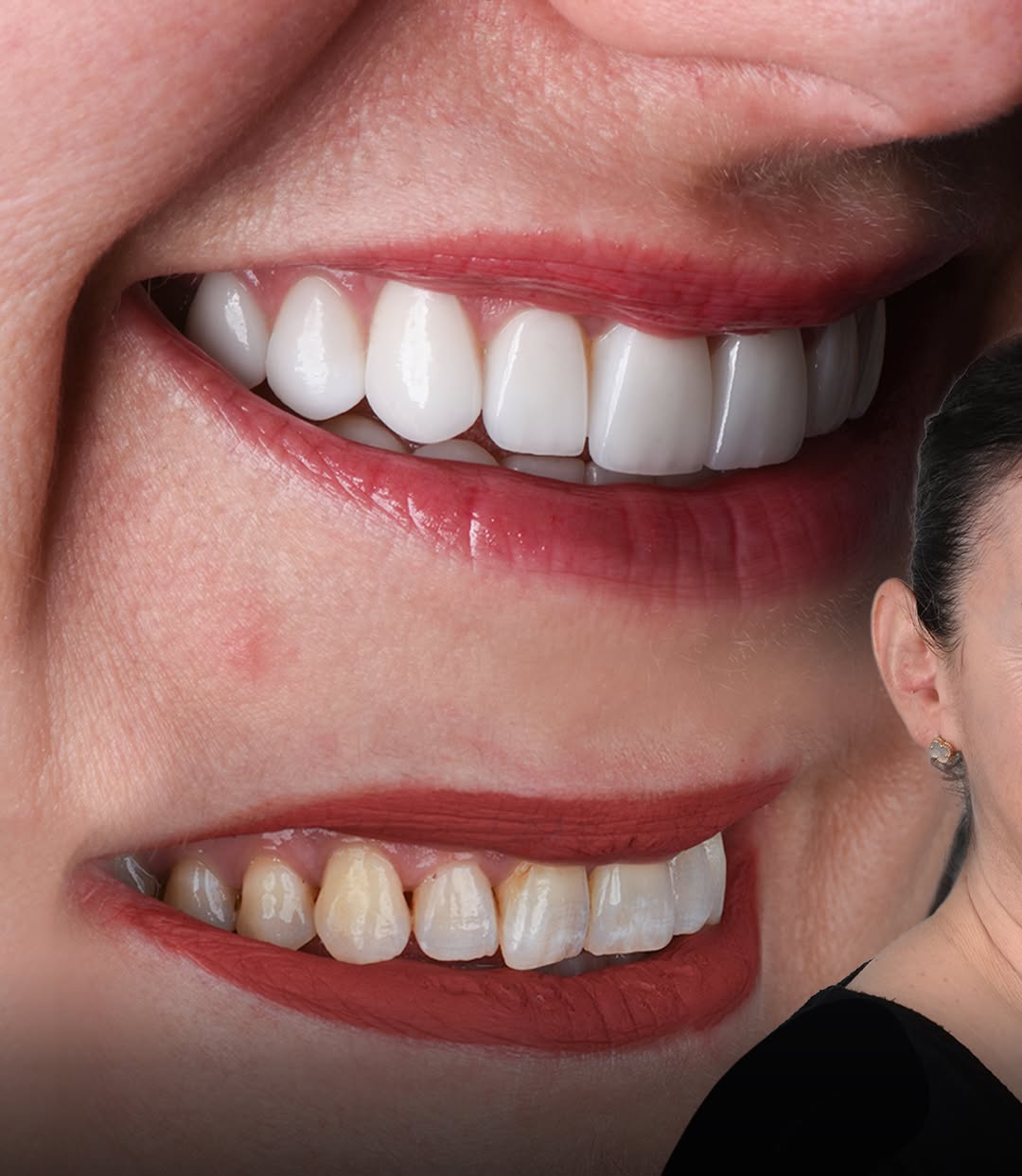
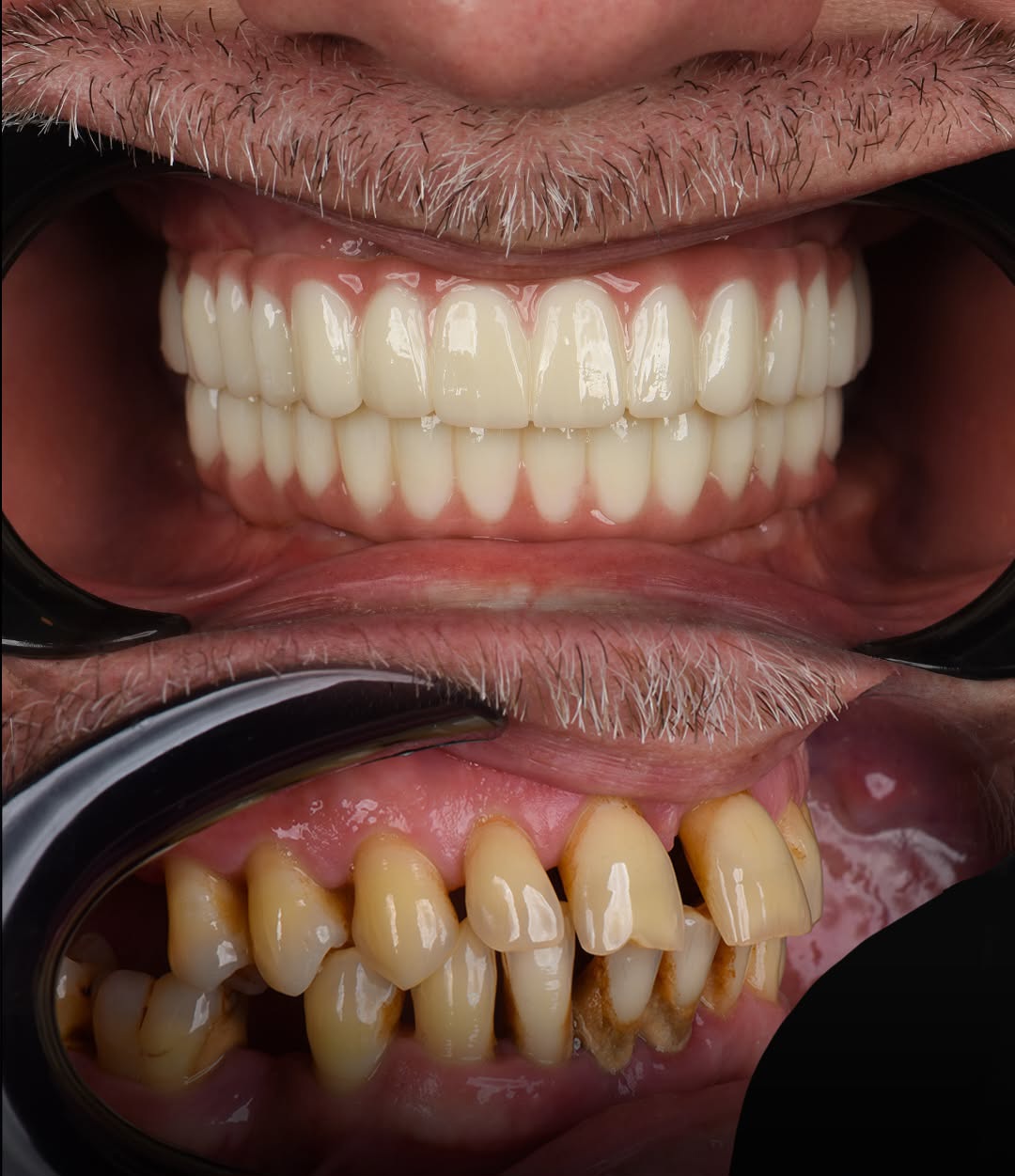
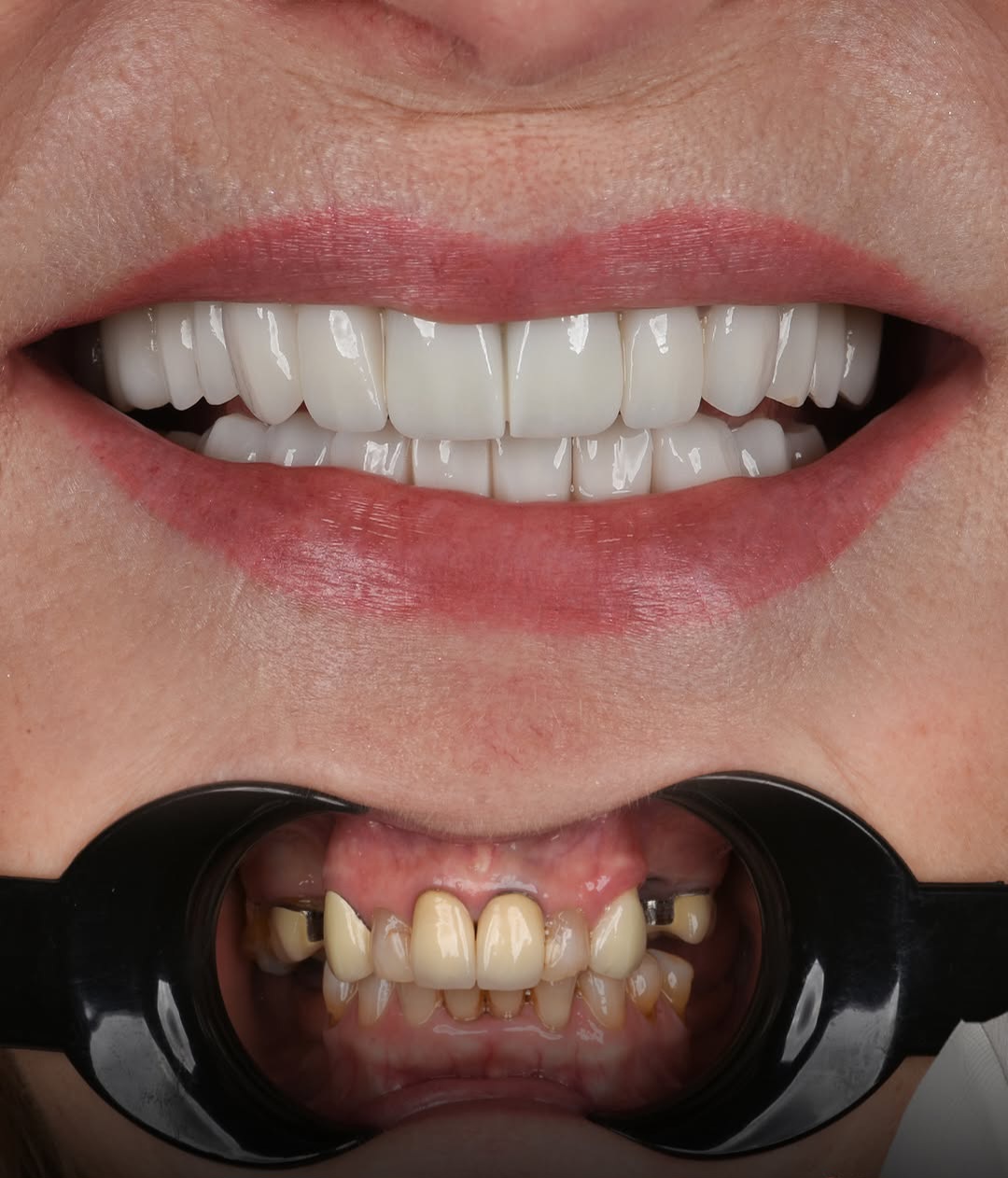
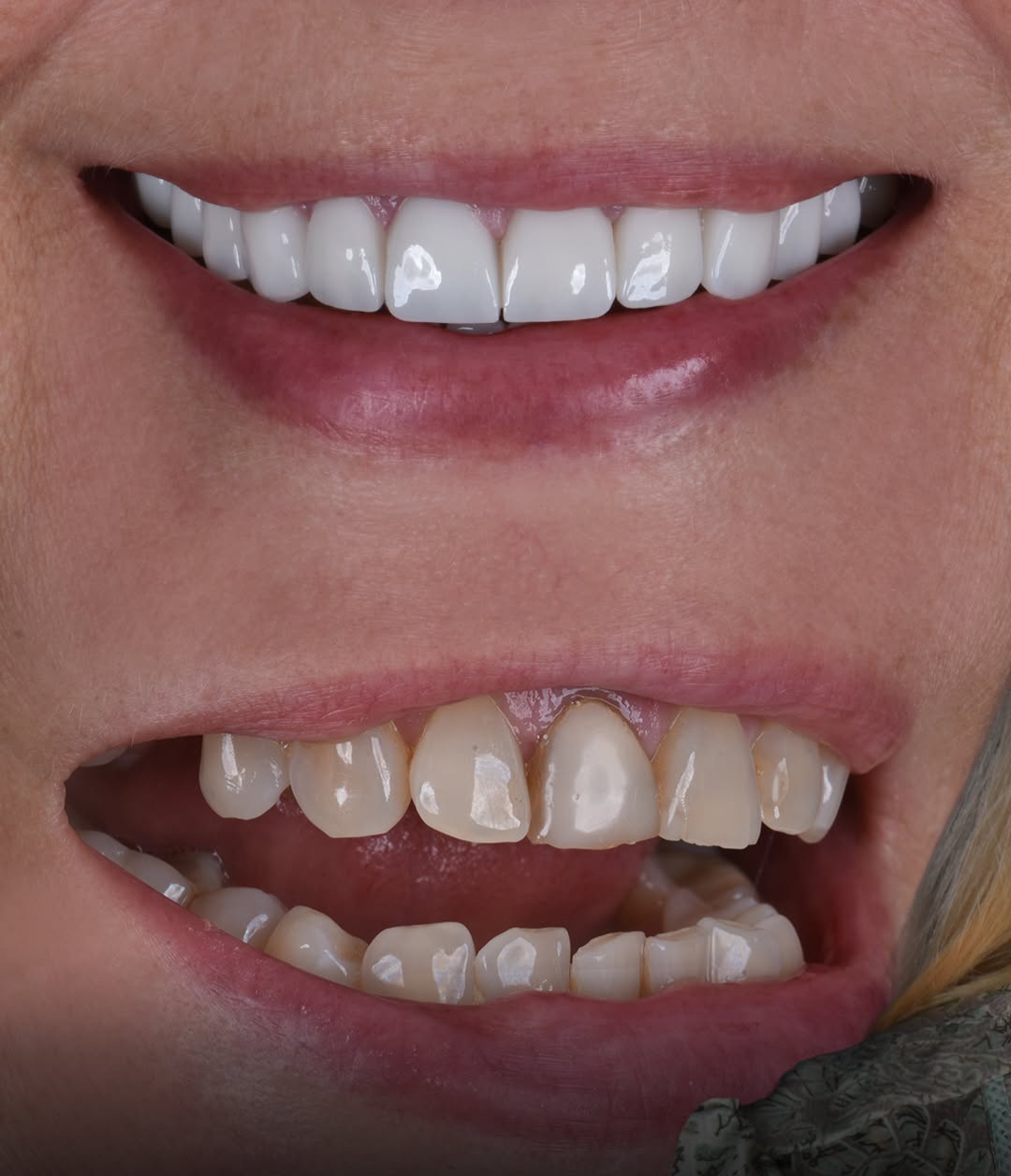
Before and after
Smile Transformation
Take a look at how a carefully designed smile can restore confidence and transform everyday life