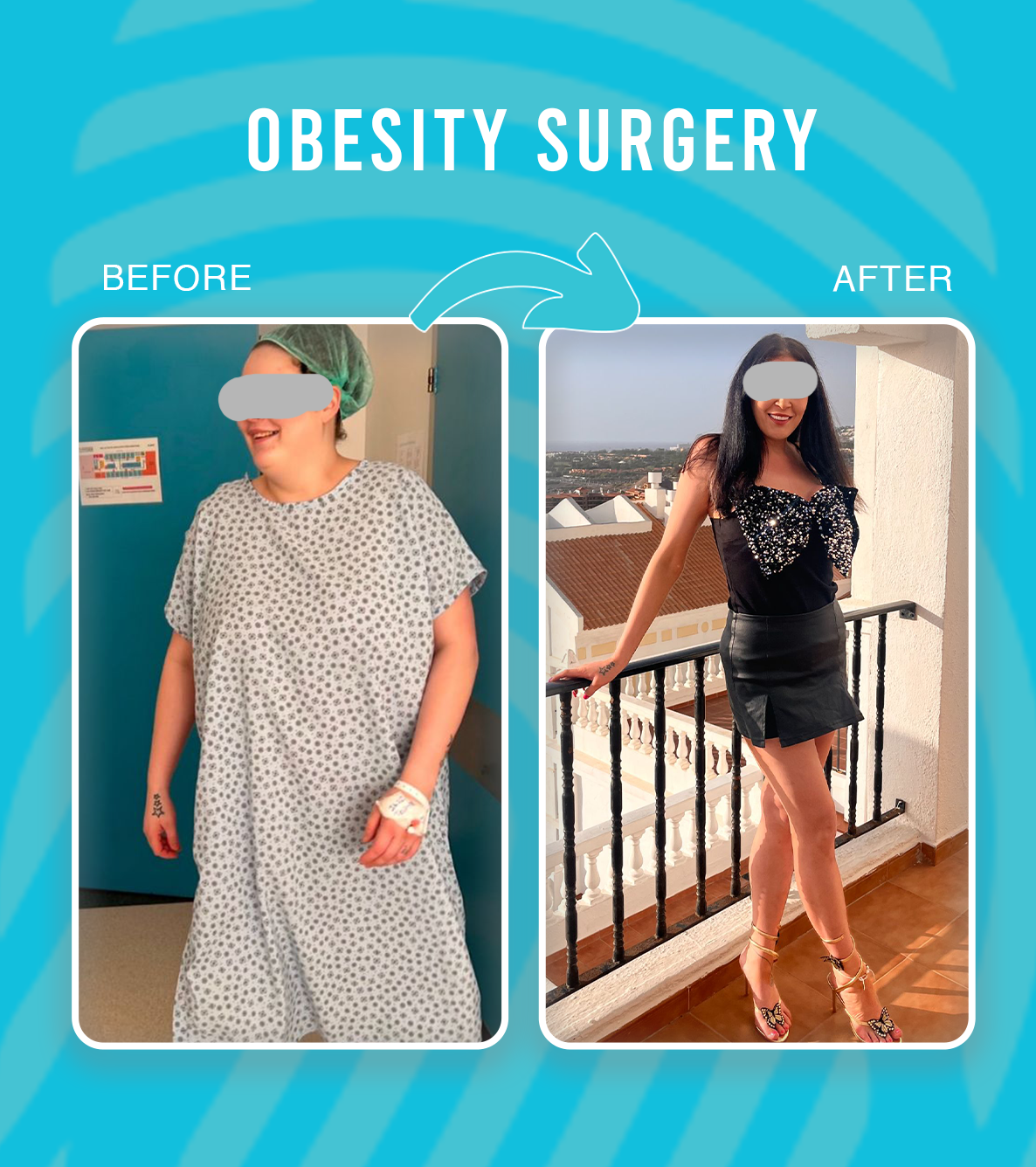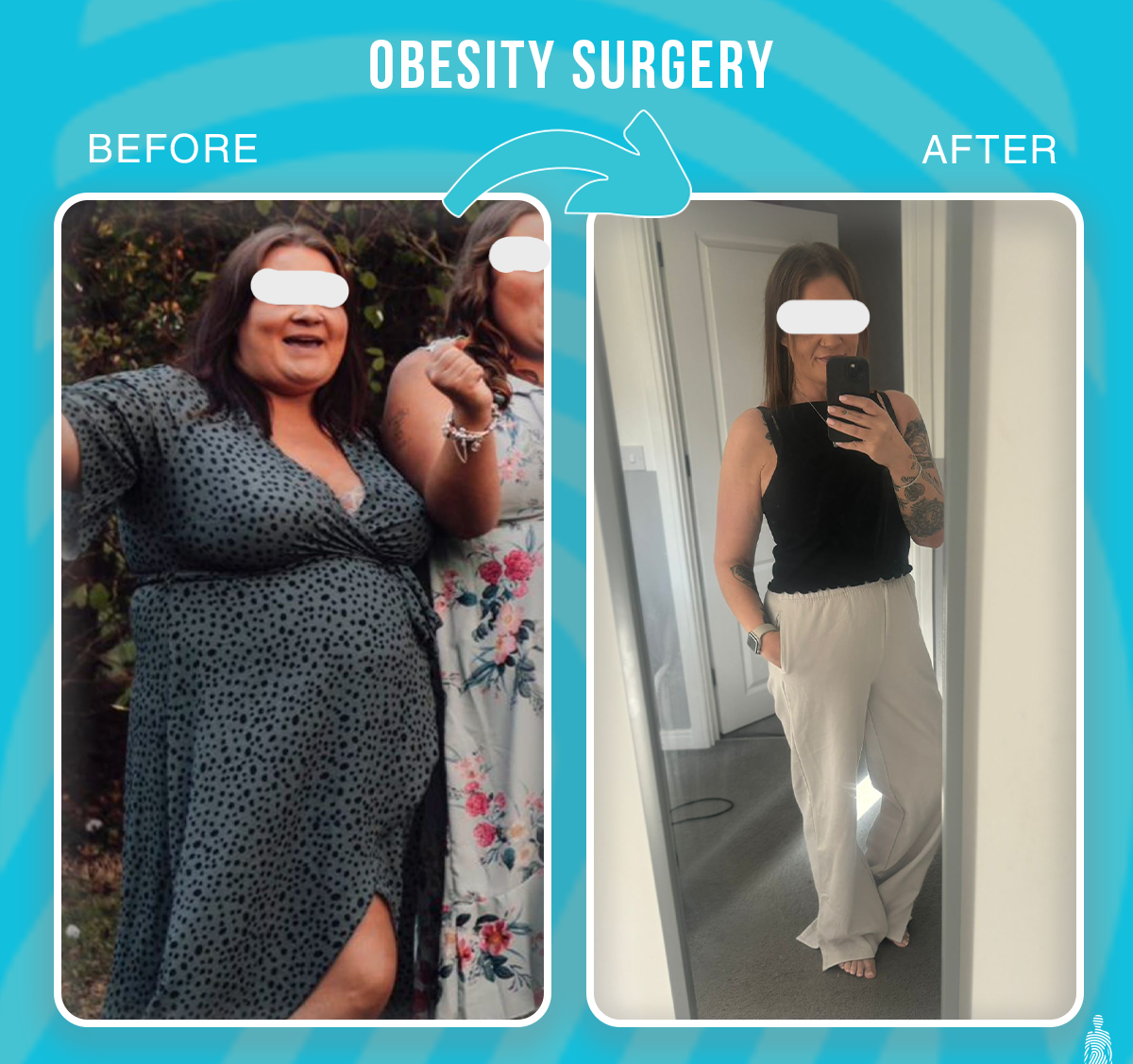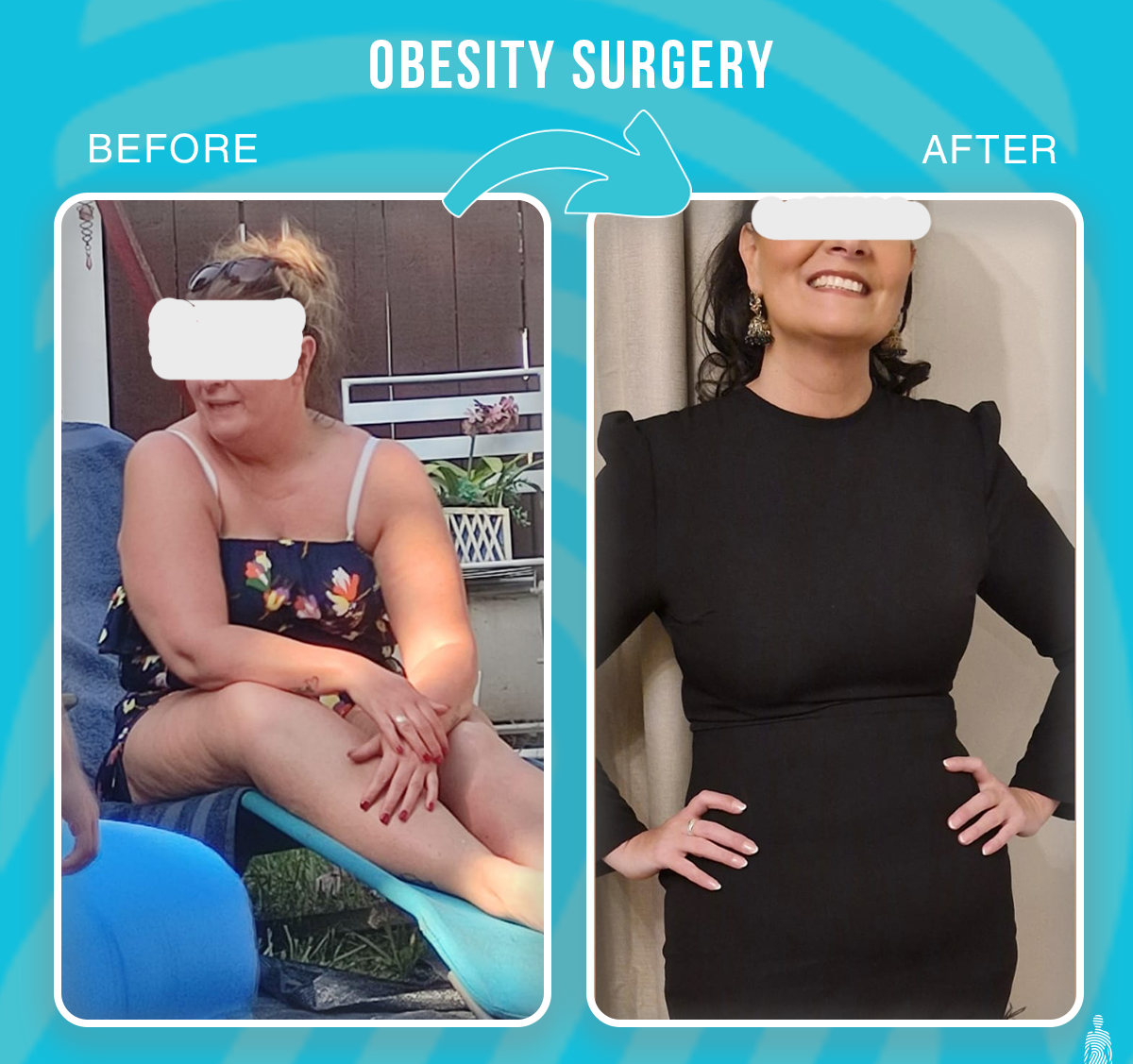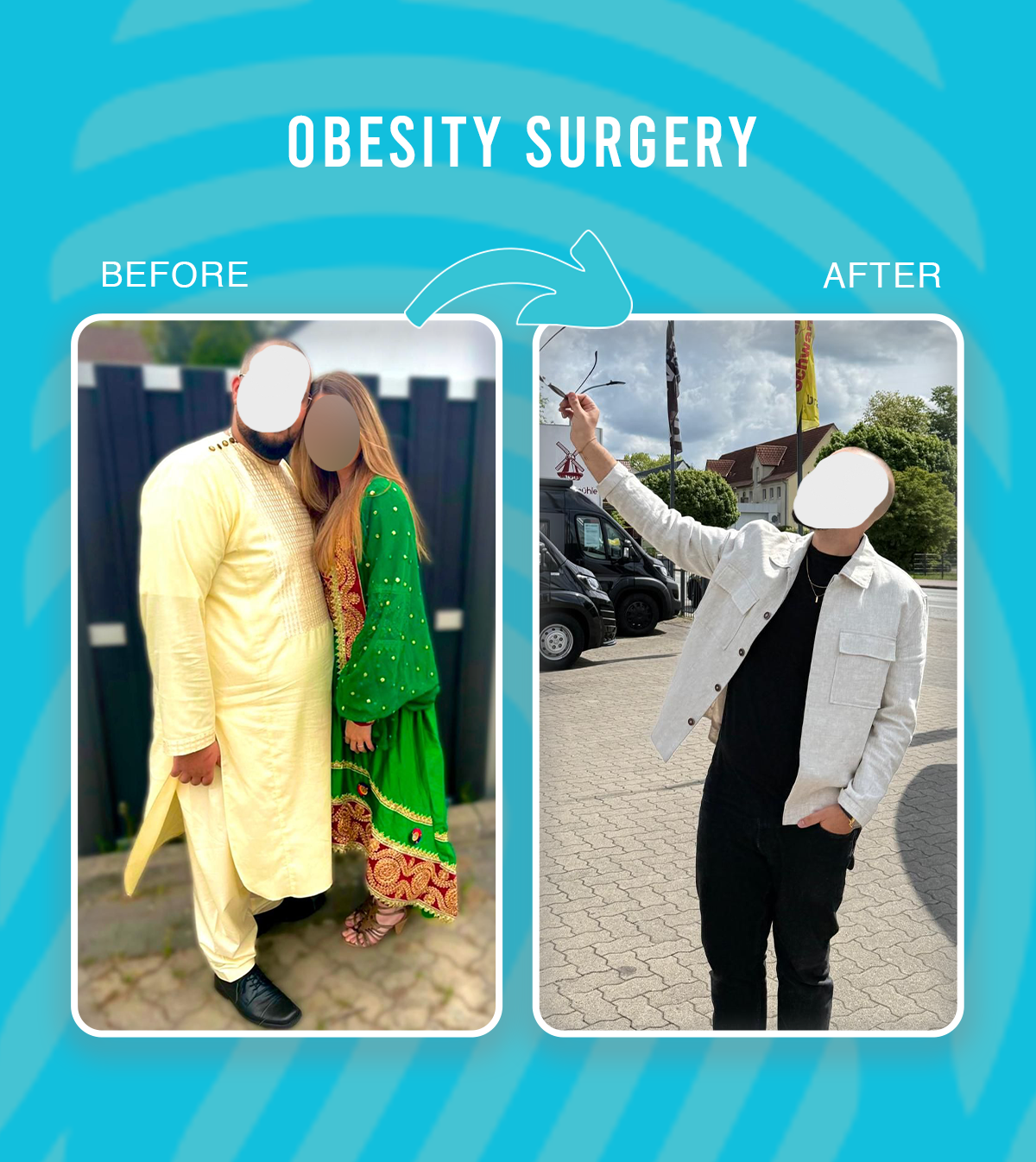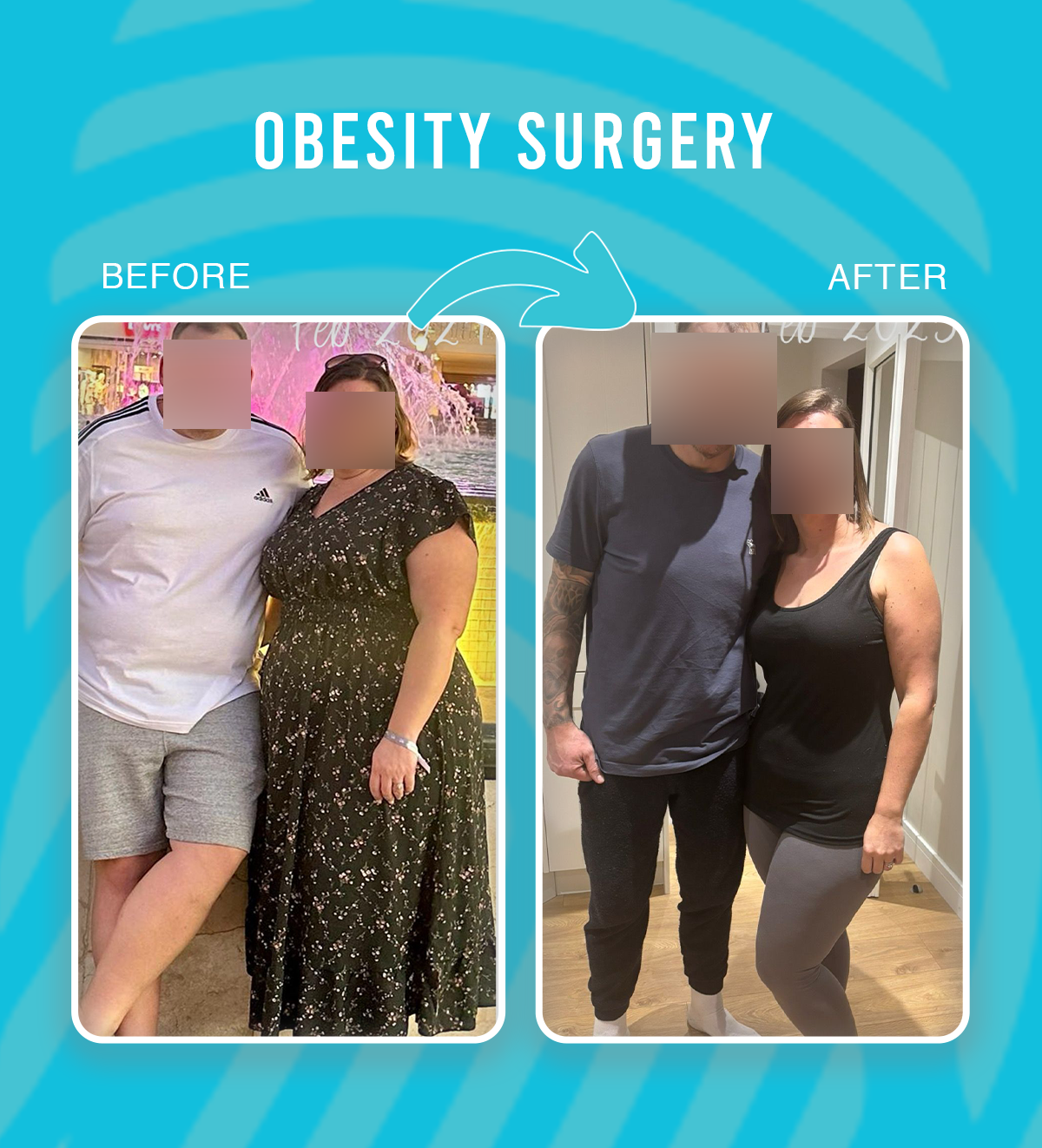
Gastric bypass surgery is a weight loss procedure in which the surgeon creates a small stomach pouch and connects it directly to the small intestine. As a result, food bypasses part of the stomach and the first section of the small intestine, which reduces the absorption of calories and nutrients.
This type of surgery can support substantial weight loss, help improve health problems linked to obesity, and enhance overall quality of life.
To qualify for gastric bypass surgery, patients typically need to have a body mass index (BMI) of 40 or higher. People with a BMI of 35 or above may also be suitable candidates if they have obesity-related conditions such as diabetes or high blood pressure.
First, the surgeon creates a small pouch at the upper part of the stomach, which becomes the new reduced stomach. After that, the small intestine is divided, and the lower part is connected directly to this new stomach pouch. This allows food to bypass the rest of the stomach and the upper section of the small intestine.
The upper part of the divided intestine is then reconnected further down the digestive tract so that digestive enzymes and juices can still mix with the food. Because of this change, the body absorbs fewer calories and nutrients, which helps support weight loss.
The procedure usually takes between two and four hours.
The patient will first undergo a comprehensive medical assessment, and the surgeon will carefully review their medical history and current medications to identify any possible risks or complications.
Before the operation, patients are usually required to follow a special pre-surgery diet aimed at lowering the risk of complications. This often includes a high-protein, low-carbohydrate eating plan.
Patients are also generally advised to stop smoking and avoid alcohol, as well as certain medications that may increase the risk of bleeding or other surgical complications.
In some cases, patients may be asked to lose a specific amount of weight before surgery in order to improve safety and achieve better surgical results.
After the surgery, patients are closely observed in the hospital to monitor for any possible complications. They are also given pain relief medication and clear instructions on how to care for their surgical wounds.
At first, the diet begins with clear liquids, then gradually moves on to pureed foods and soft meals over the following weeks. Patients receive detailed nutritional guidance, including advice on portion control and maintaining proper nutrient intake.
Regular physical activity is also an important part of recovery, as it helps support healing, improve mobility, and encourage successful weight loss.
The most common risks and complications associated with gastric bypass surgery include infection, bleeding, blood clots, dumping syndrome, nutritional deficiencies, and narrowing of the stomach outlet (stomal stenosis).
It is important to understand these potential risks and discuss them thoroughly with your surgeon before making a decision about the procedure. Proper post-operative care and regular follow-up appointments can significantly reduce the risk of complications and support a safe recovery.
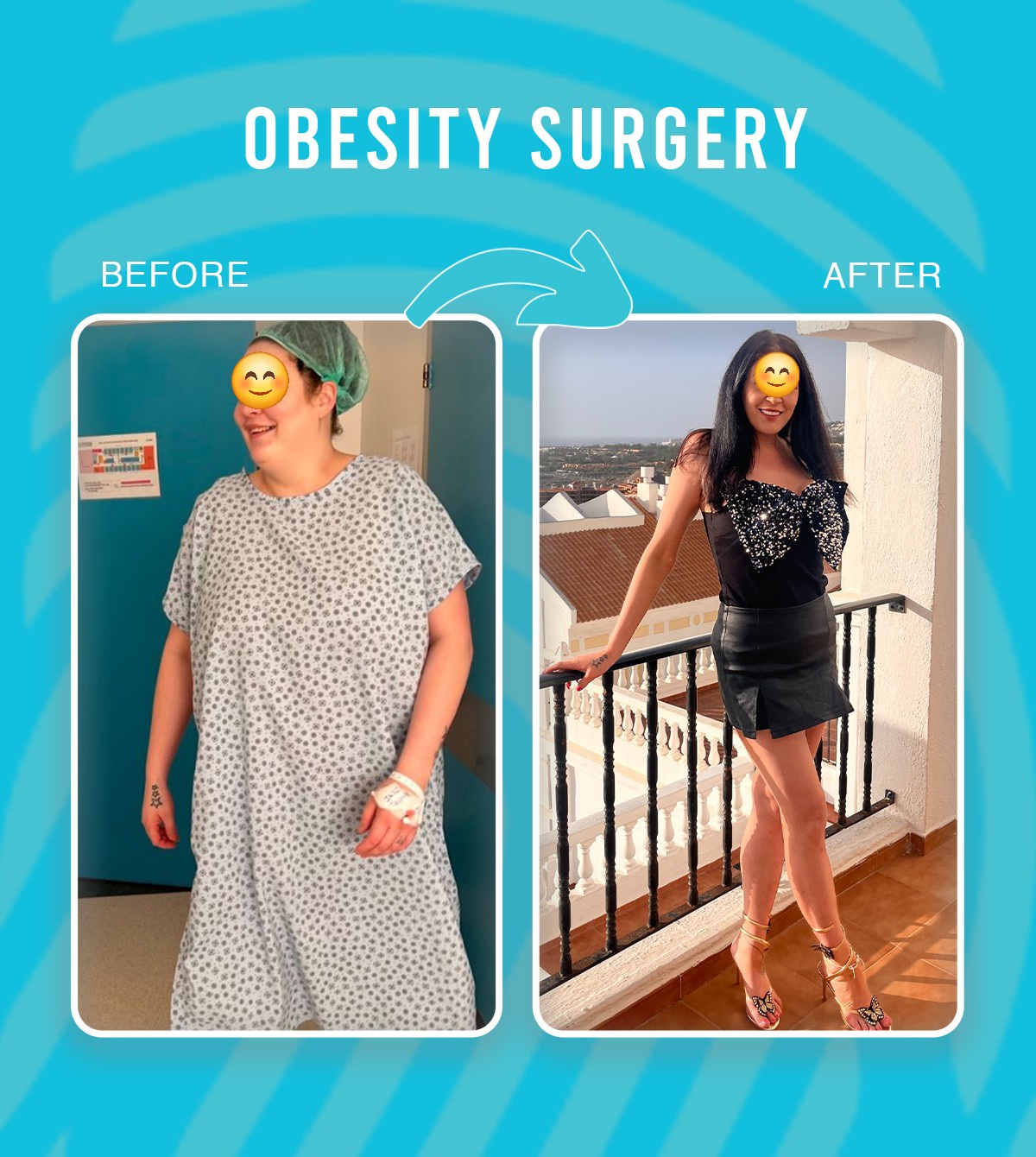
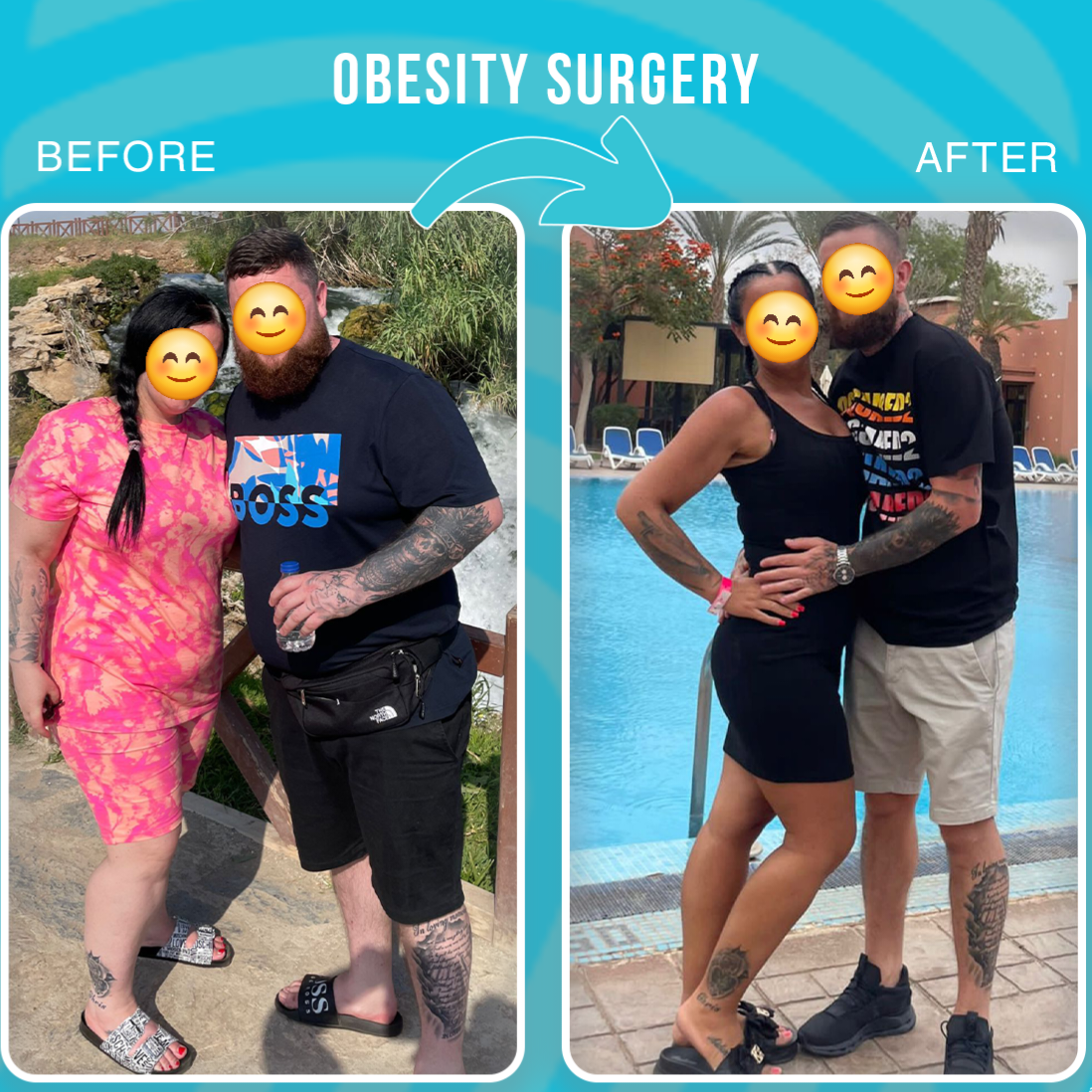
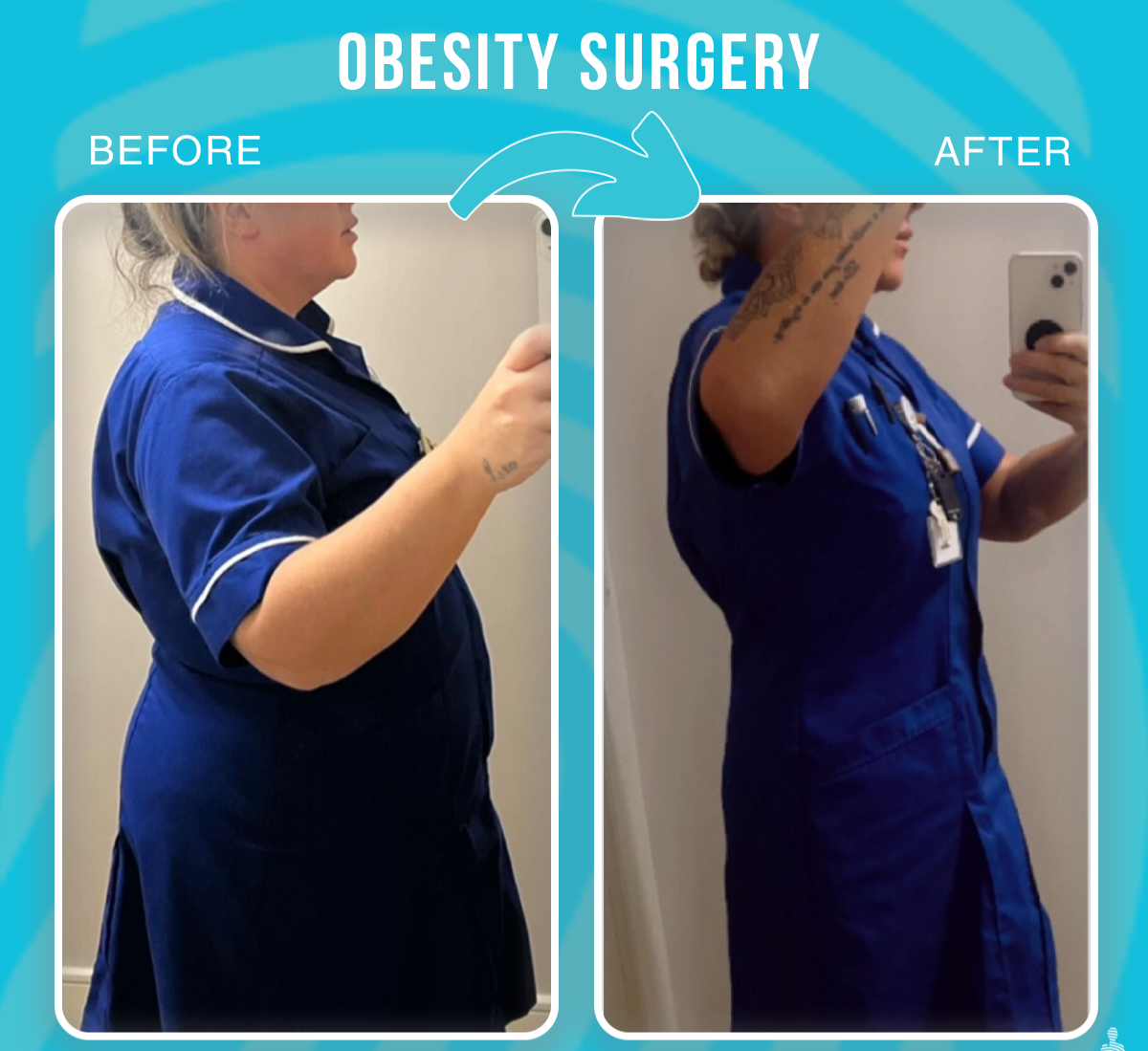
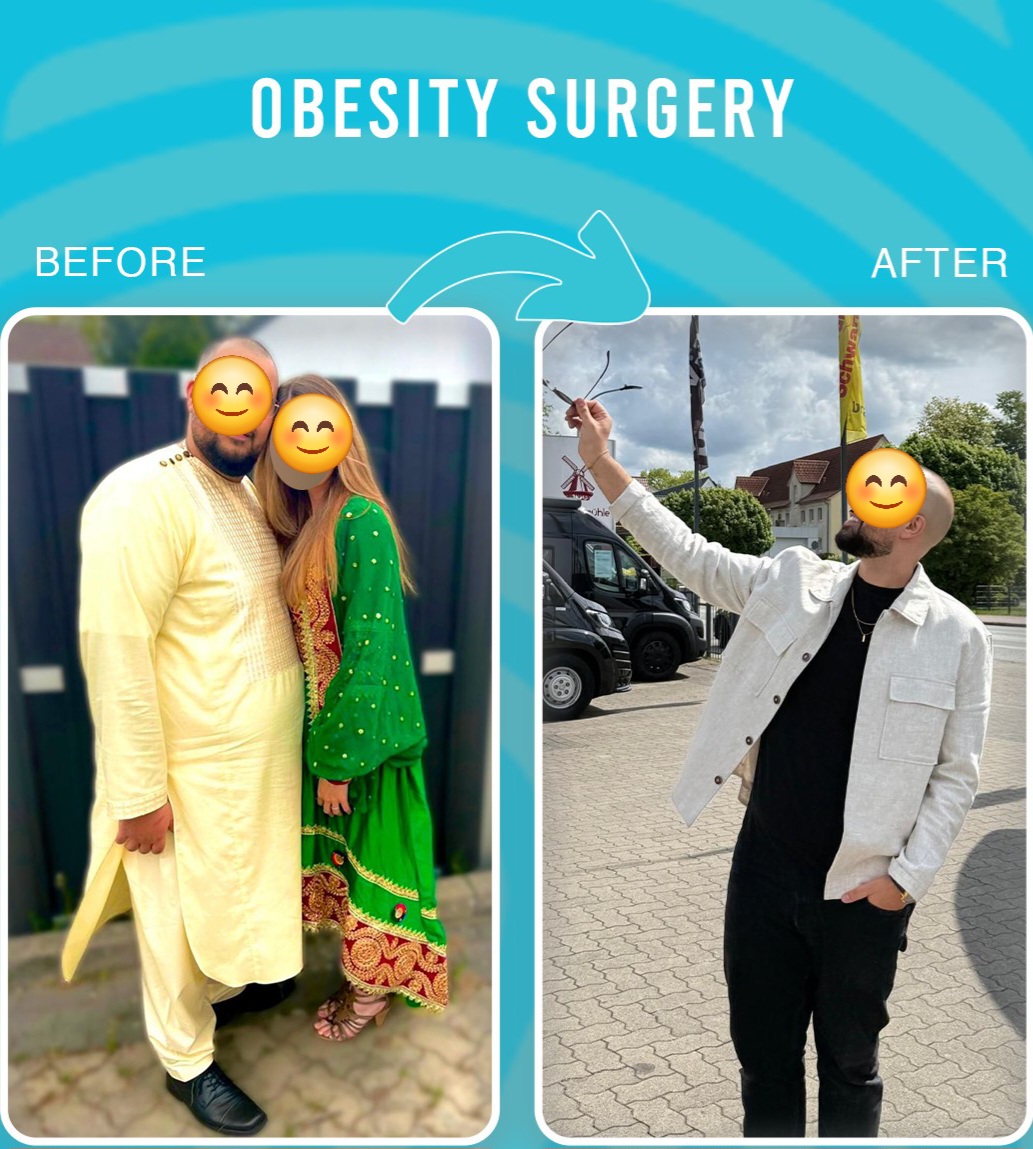
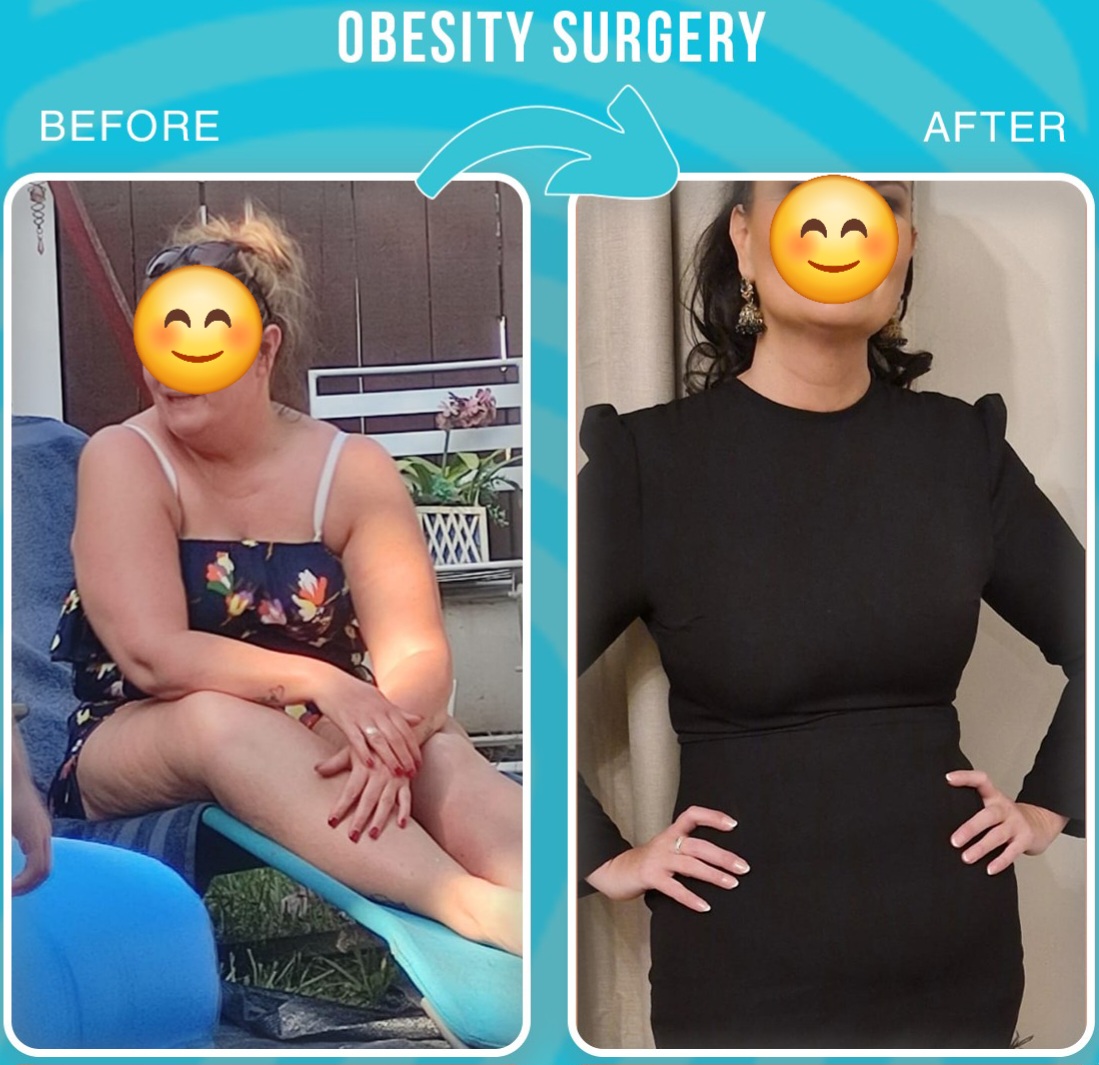
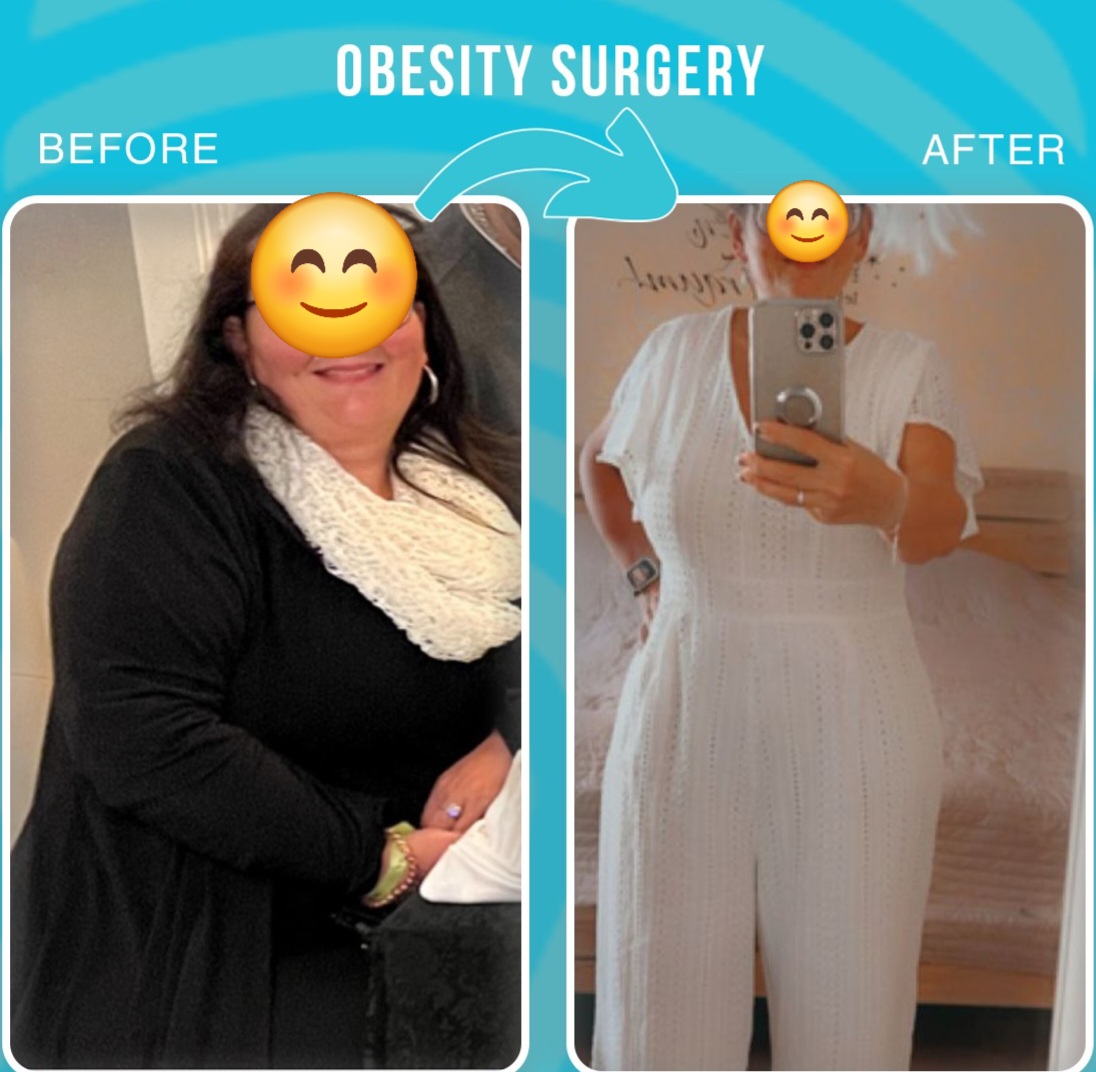
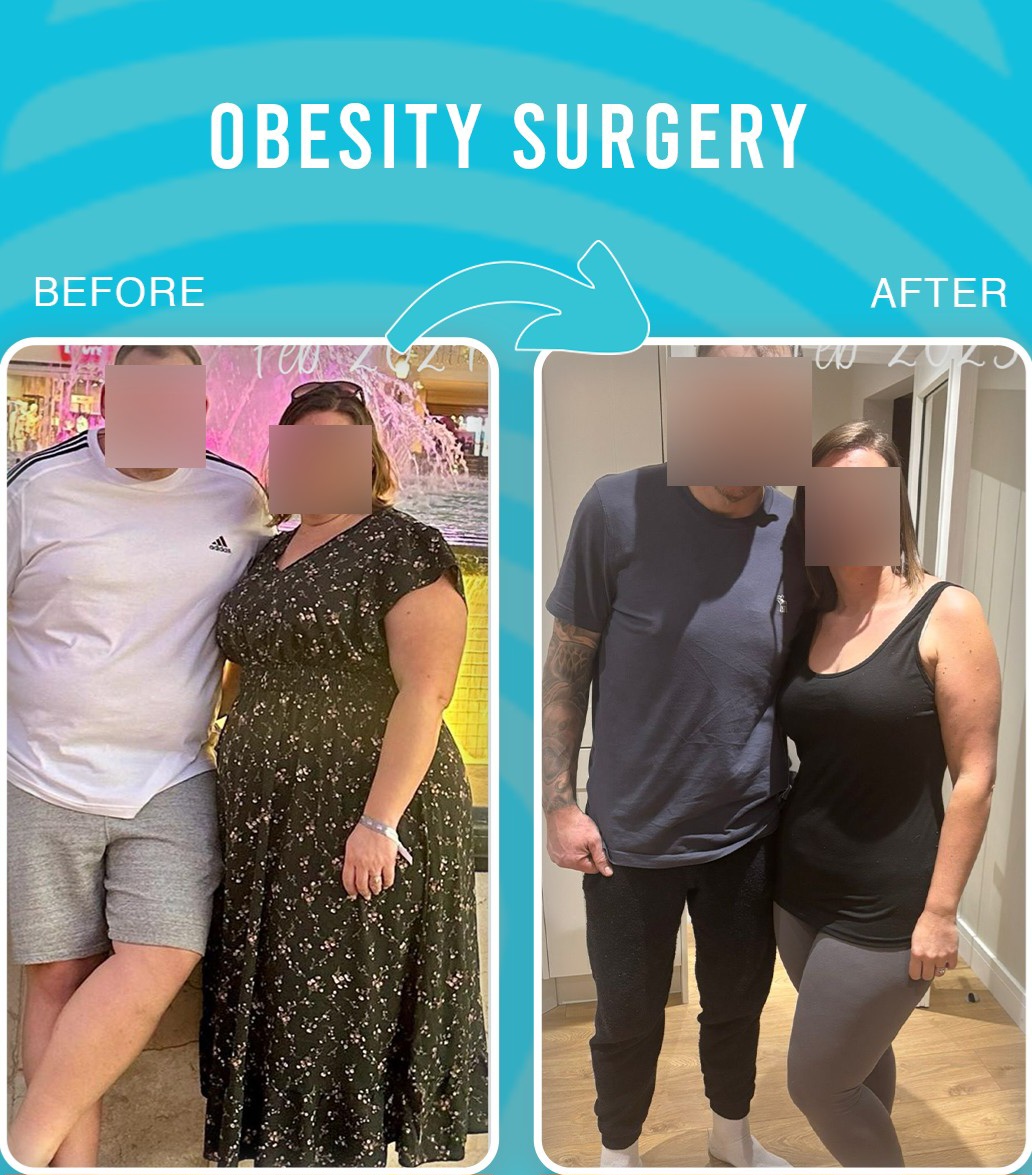
Everything you need for your comfort and a smooth, worry-free experience is included in the price.
✅ 4 nights in a modern accredited medical facility
✅ Airport – clinic – hotel transfers
✅ Professional care and support throughout your stay
✅ Initial consultation and final check-up
✅ Comprehensive pre-operative examination
✅ Protein shakes and vitamins
✅ Detailed patient education before the procedure
✅ Pre-operative care:
• Detailed blood analysis including: liver function, kidney function, hormone balance, and mineral levels
• Specialist examinations and consultations with our medical team
• Advanced diagnostics: ultrasound and pre-operative endoscopy under general anesthesia
✅ Post-operative care and support:
• Personalized nutrition plan including educational materials
• Post-operative medication (up to 3 months)
• Long-term support – follow-up consultations with bariatric nutrition specialists (up to 2 years)
• 24/7 assistance – emergency contact available at all times
• Post-operative monitoring
✅ Additional benefits:
• Companion option at no extra cost
• Advanced surgical techniques ensuring maximum safety and long-lasting results
• Complication insurance included
You’ll return home happier and more beautiful than ever.

Nirax Medical Travel is your personal expert in organizing premium hair transplants, bariatric, plastic, and dental care in Antalya, Turkey.
Nirax Medical Travel is your personal expert in organizing premium hair transplants, bariatric, plastic, and dental care in Antalya, Turkey.

Nira Medical Travel on nelja ilukirurgia kliiniku ametlik esindaja Türgi populaarseimatesse kuurortlinnadesse Alanya ja Antalyasse.
Nira Medical Travel on nelja ilukirurgia kliiniku ametlik esindaja Türgi populaarseimatesse kuurortlinnadesse Alanya ja Antalyasse.
This website uses cookies to enhance your experience. Some are essential for site functionality, while others help us analyze and improve your usage experience. Please review your options and make your choice.
If you are under 16 years old, please ensure that you have received consent from your parent or guardian for any non-essential cookies.
Your privacy is important to us. You can adjust your cookie settings at any time. For more information about how we use data, please read our privacy policy. You may change your preferences at any time by clicking on the settings button below.
Note that if you choose to disable some types of cookies, it may impact your experience of the site and the services we are able to offer.
Some required resources have been blocked, which can affect third-party services and may cause the site to not function properly.
This website uses cookies to enhance your browsing experience and ensure the site functions properly. By continuing to use this site, you acknowledge and accept our use of cookies.