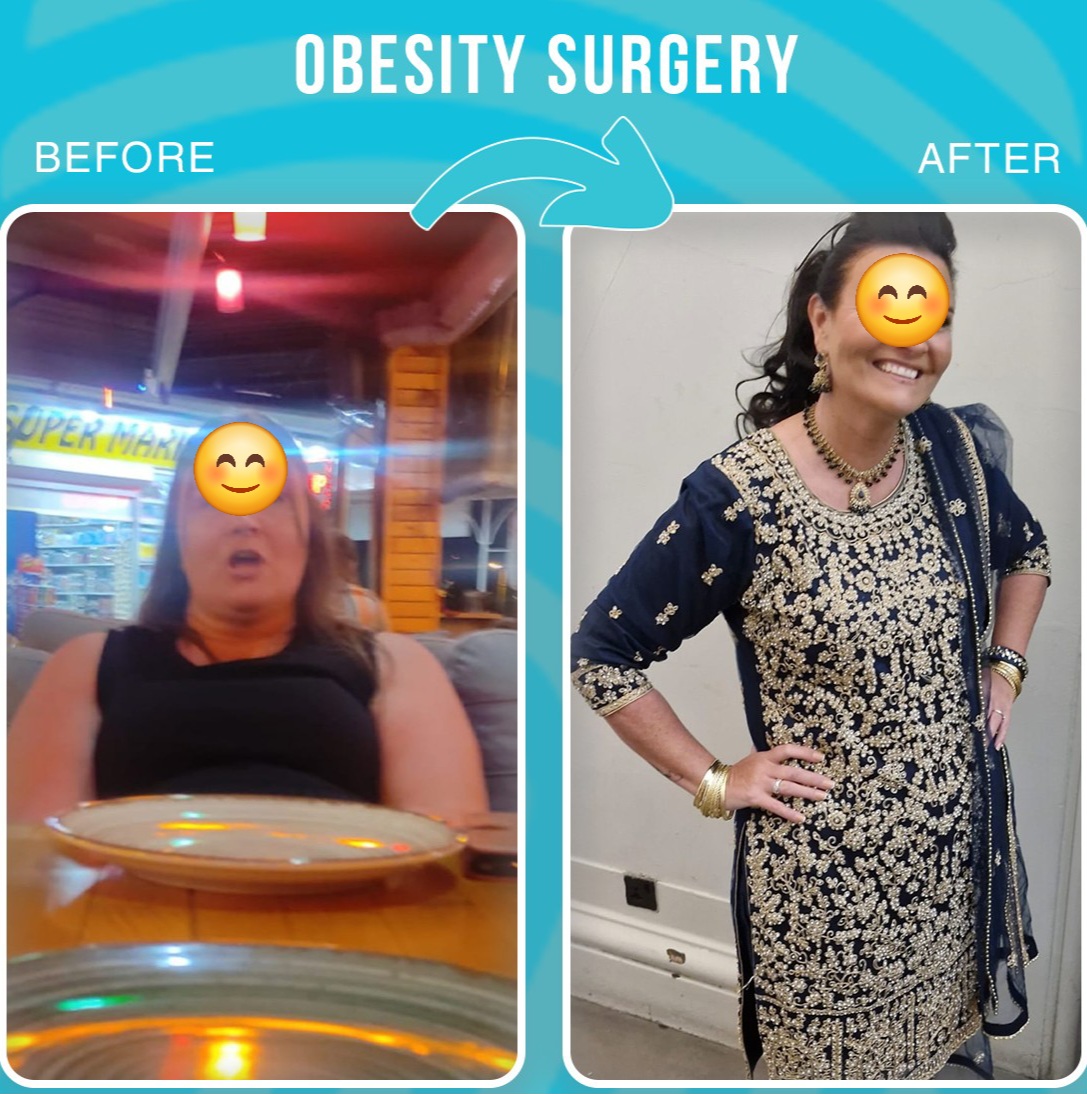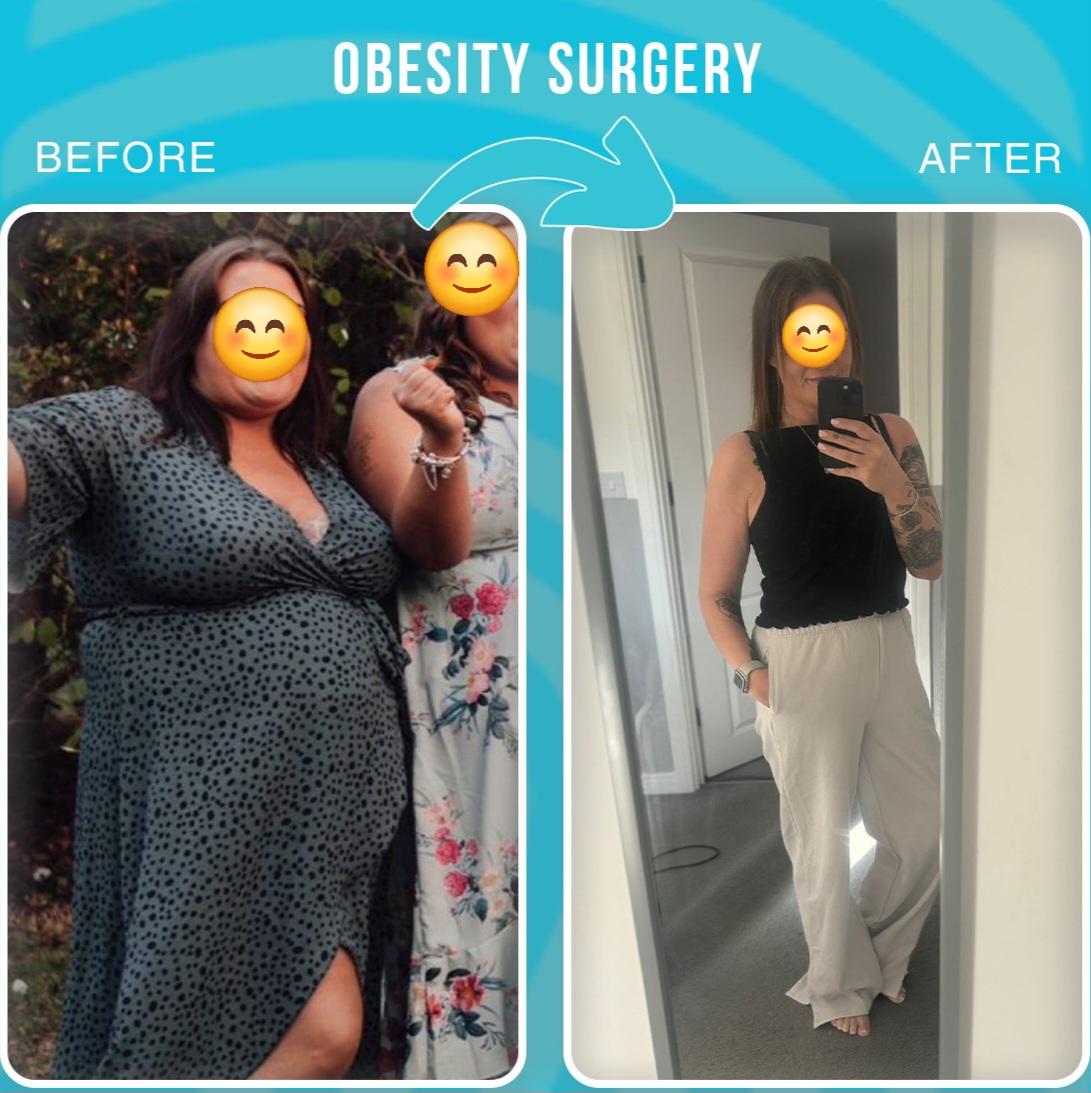
People affected by obesity may choose gastric sleeve surgery as a way to achieve rapid and meaningful weight loss.
This form of bariatric surgery can be carried out using different techniques, all aimed at helping patients eat less and feel full sooner. By reducing the amount of food consumed, the body begins to use stored fat for energy, which leads to substantial weight loss.
Gastric sleeve surgery is one of the most common weight-loss procedures. It involves removing around 75–80% of the stomach, leaving behind a narrow, sleeve-like stomach roughly the size of a banana. Because the stomach becomes much smaller, the patient is able to eat less, which supports significant weight reduction.
To qualify for gastric sleeve surgery, patients generally need to have a body mass index (BMI) of 40 or above. Individuals with a BMI of 35 or more may also be considered suitable if they have obesity-related health conditions such as diabetes or high blood pressure.
Gastric sleeve surgery is a minimally invasive procedure performed under general anaesthesia.
During the operation, the surgeon makes several small incisions in the abdomen and inserts a laparoscope, which is a thin instrument equipped with a camera and light. This allows the surgeon to view detailed images of the stomach on a monitor throughout the procedure. A large part of the stomach is then removed, leaving behind a narrow, sleeve-shaped stomach roughly the size of a banana. The remaining section is closed using staples or sutures.
The procedure usually takes around one to two hours.
Before gastric sleeve surgery, patients receive detailed pre-operative instructions from their surgeon. These may include following a special diet for several weeks or switching to a liquid diet for a few days before the procedure.
Patients may also be advised to stop taking certain medications or supplements that could increase the risk of bleeding during surgery.
In addition, pre-operative tests and medical assessments are usually required to confirm that the patient is fit for the operation.
Following these instructions carefully can help support a safe procedure and a smooth recovery.
Patients usually remain in the hospital for several days so their recovery can be monitored and pain can be managed appropriately. In most cases, they are able to return to normal daily activities within a few weeks.
After leaving the hospital, patients must follow a strict eating plan and exercise routine to support healing and encourage weight loss. The diet normally begins with clear liquids, then gradually moves on to soft foods, and later to solid meals over the following weeks.
Patients are generally advised to avoid foods high in fat and sugar, and to eat smaller meals more frequently in order to prevent overeating or stretching the stomach. Regular physical activity is also an important part of the process, as it supports weight loss and helps maintain muscle strength.
Some of the most common risks and complications linked to gastric sleeve surgery include bleeding, infection, blood clots, and unwanted reactions to anaesthesia.
Patients may also face the risk of stomach leakage, where digestive fluids escape through the staple line or sutures in the stomach. In addition, some people may develop post-operative issues such as dumping syndrome, acid reflux, or nutritional deficiencies due to reduced food intake and absorption.
Long-term complications can also occur, including gastrointestinal blockage, gastroesophageal reflux disease, and weight regain over time.
Before undergoing surgery, it is important to discuss all possible risks with your surgeon. Careful post-operative management and regular follow-up can help lower the risk of complications and support a safer recovery.
Before and after