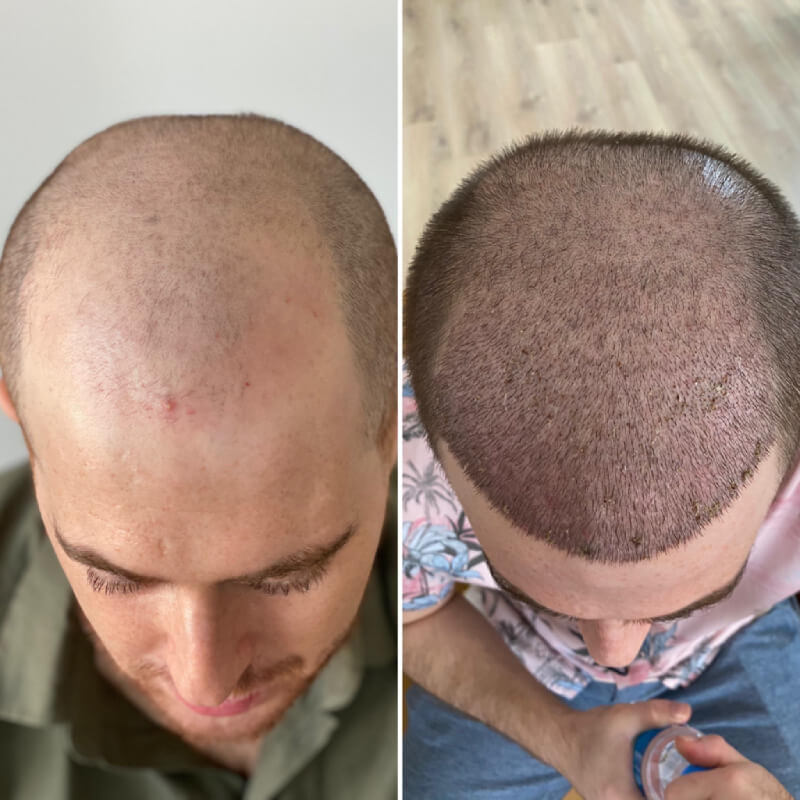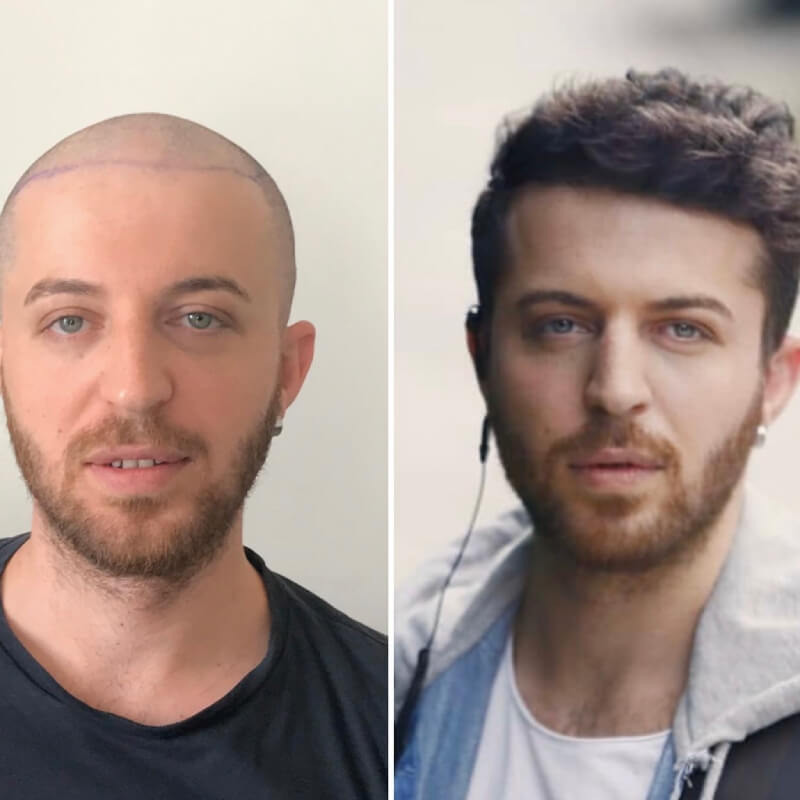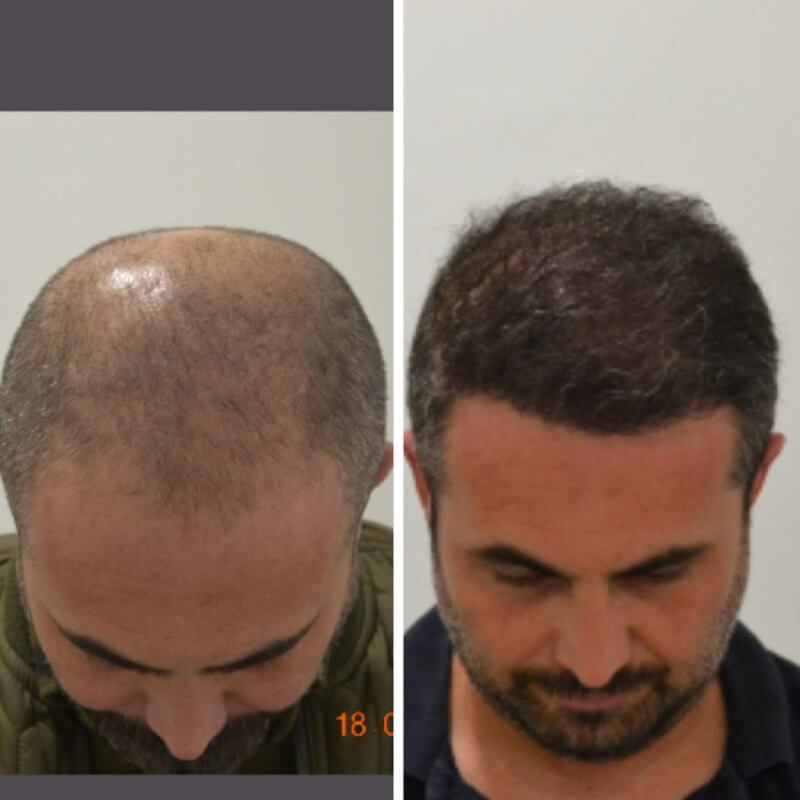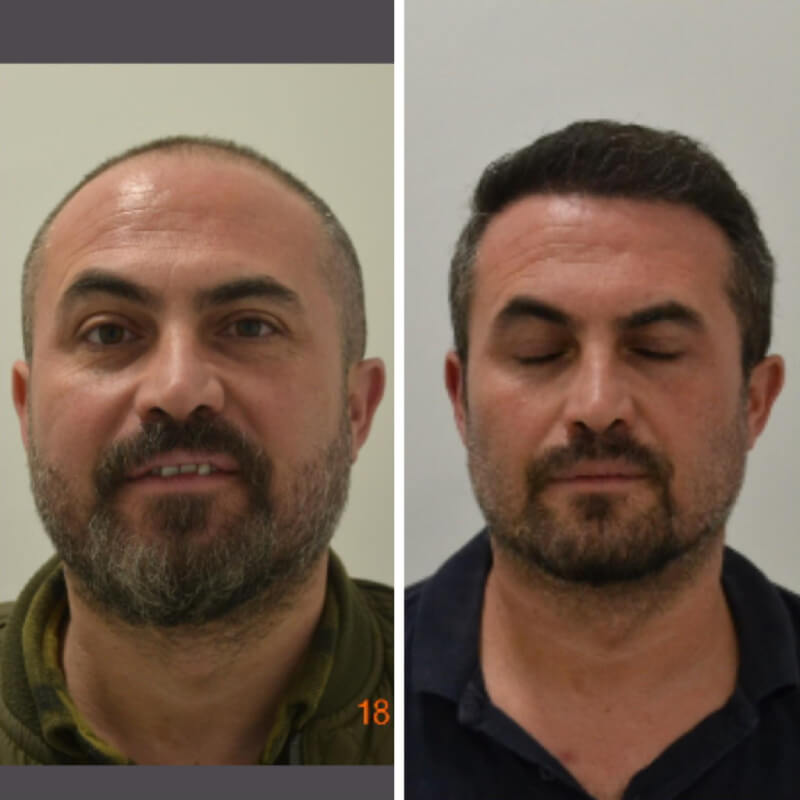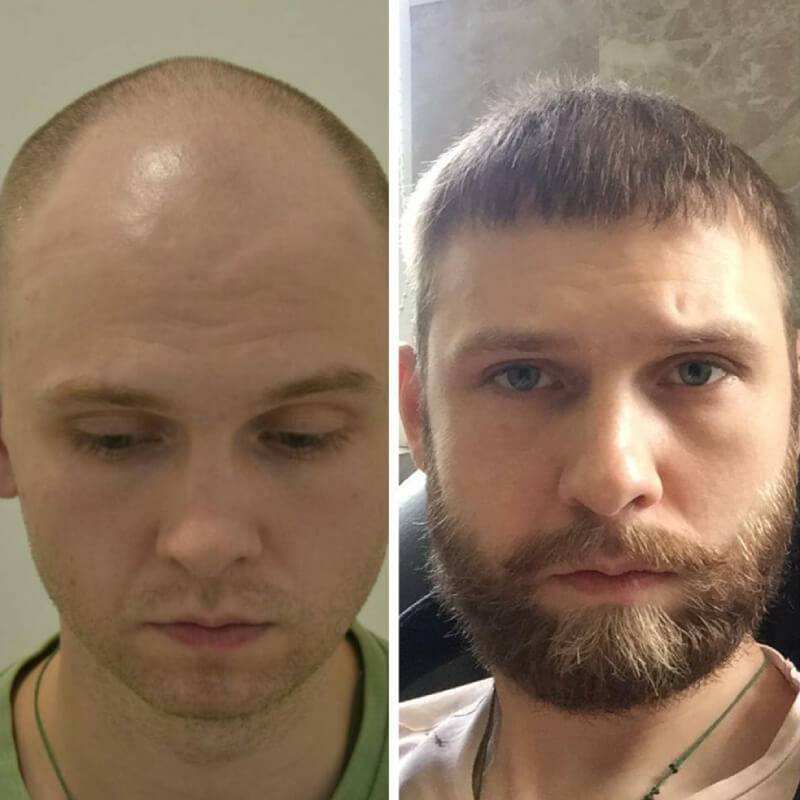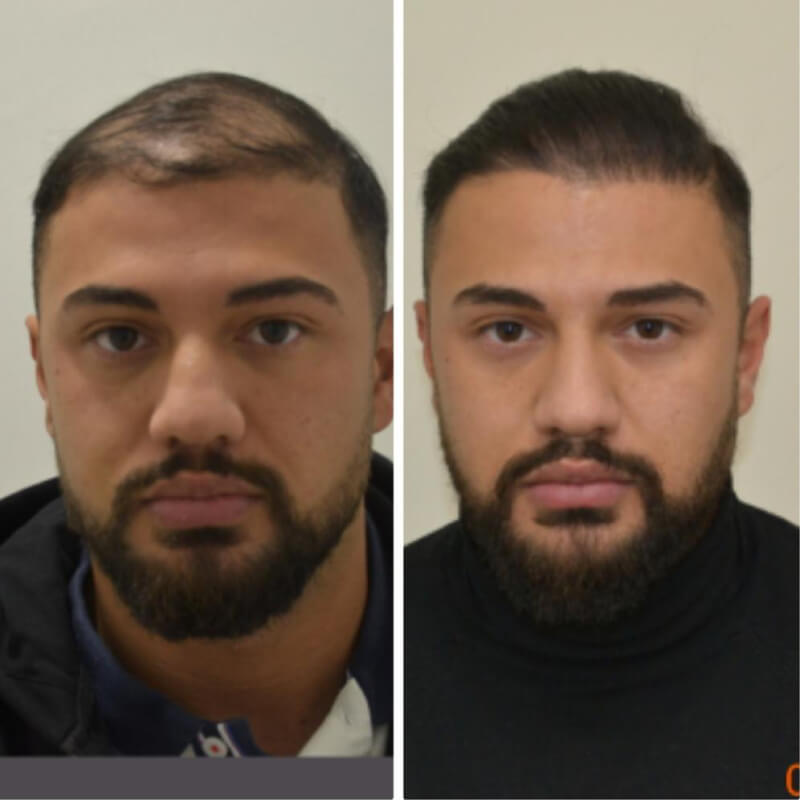
Hair loss is a widespread issue that affects both men and women and may appear as gradual thinning or more sudden shedding of hair on the scalp.
A range of factors can play a role in hair loss, including hereditary predisposition, hormonal imbalance, ageing, certain illnesses, medication, and everyday lifestyle habits.
Losing hair can deeply affect a person’s confidence and overall quality of life, often leading to embarrassment, stress, and withdrawal from social situations.
Although hair loss cannot always be permanently cured, there are a number of treatment options that may help slow its progression or, in some cases, encourage regrowth.
Hair transplant surgery is a cosmetic treatment that involves relocating hair follicles from one part of the body — most often from the back or sides of the scalp — to areas affected by baldness or thinning hair.
This procedure is most frequently performed to address male pattern hair loss, but it can also be used for women and for restoring density in parts of the scalp where the hair has become thinner.
There are two primary methods of hair transplant surgery: follicular unit transplantation (FUT) and follicular unit extraction (FUE).
With FUT, a strip of scalp containing healthy hair follicles is taken from the back of the head and then carefully separated into individual grafts before being implanted into the areas affected by hair loss.
With FUE, single hair follicles are removed directly from the donor area using a small circular instrument and then transplanted into the thinning or bald areas.
DHI is an advanced variation of FUE that uses a specially designed pen-like instrument to place the extracted follicles directly into the scalp.
Anyone thinking about a hair transplant should speak with an experienced and properly qualified surgeon to identify the technique that best matches their needs, hair condition, and expectations.
FUE is a hair transplant method in which individual hair follicles are taken from the donor area of the scalp and then implanted into areas affected by hair loss or thinning.
This technique is generally performed under local anaesthesia, and the surgeon uses a small circular instrument to extract the follicles.
The harvested follicles are then inserted into tiny openings created in the recipient area, usually with the help of a fine needle or blade.
Compared with FUT, FUE offers several important benefits. One major advantage is that it does not leave a long linear scar at the back of the head, which makes it a popular choice for people who prefer shorter hairstyles. It is also considered a less invasive procedure, typically involving a quicker recovery and less discomfort after treatment.
That said, FUE is not always the ideal solution for every patient. In cases of extensive hair loss or large balding areas, it may be difficult to extract enough follicles to achieve the desired density and overall result.
DHI (Direct Hair Implantation) is a hair transplant method in which individual hair follicles are taken from the donor area of the scalp and implanted into areas affected by thinning or hair loss.
The technique is similar to FUE, but with one important difference: in DHI, the follicles are implanted directly into the recipient area one by one using a specialised pen-like instrument. This tool creates a small opening in the scalp and allows the follicle to be placed immediately into it. Thanks to this approach, the surgeon has greater precision and control over the angle, direction, and placement of each graft, which can help create a more natural-looking hairline and overall result.
Another advantage of DHI is that it can often achieve a higher implantation density compared to standard FUE.
The procedure is usually carried out under local anaesthesia and may take several hours, depending on the size of the treatment area and the number of grafts being implanted.
Like FUE, DHI is considered a minimally invasive technique with a relatively quick recovery period and very little scarring. Most patients begin to notice visible hair growth within a few months, while the final outcome usually becomes clear after approximately 12 to 18 months.
Overall, DHI is a highly effective hair transplant option, although it may not be the best choice for patients with very limited donor hair or extensive bald areas, where there may not be enough follicles available for transplantation.
Stem cell therapy for hair restoration uses regenerative cells to support hair growth and help revive weakened hair follicles. Stem cells are unique because they can develop into different types of cells within the body.
Clusters of stem cells located in the hair follicles are essential for ongoing hair growth. When these cells become damaged or disappear completely, the affected follicles may stop producing healthy hair, which can result in thinning or even complete hair loss in certain areas.
The treatment itself is relatively straightforward: stem cells are collected from the patient and then introduced into the scalp to stimulate the follicles and encourage new hair growth.
The procedure usually takes around one hour and involves little to no visible scarring, as only a small part of the follicle capable of generating new hair is taken rather than removing the entire follicle.
After the treatment, patients can typically return home, go back to work, and continue their normal daily routine with minimal discomfort and almost no visible signs of the procedure.
Early improvement may become noticeable within about two weeks, although more significant results often appear after around one month.
Even though one session can already bring visible improvement, additional stem cell treatments are often recommended. These are usually performed every one to two months, depending on the type of hair loss and how advanced the condition is.
All of our partner clinics, hospitals, and surgeons are selected with great care to ensure the highest standards of quality, expertise, and medical technology.
Before and after