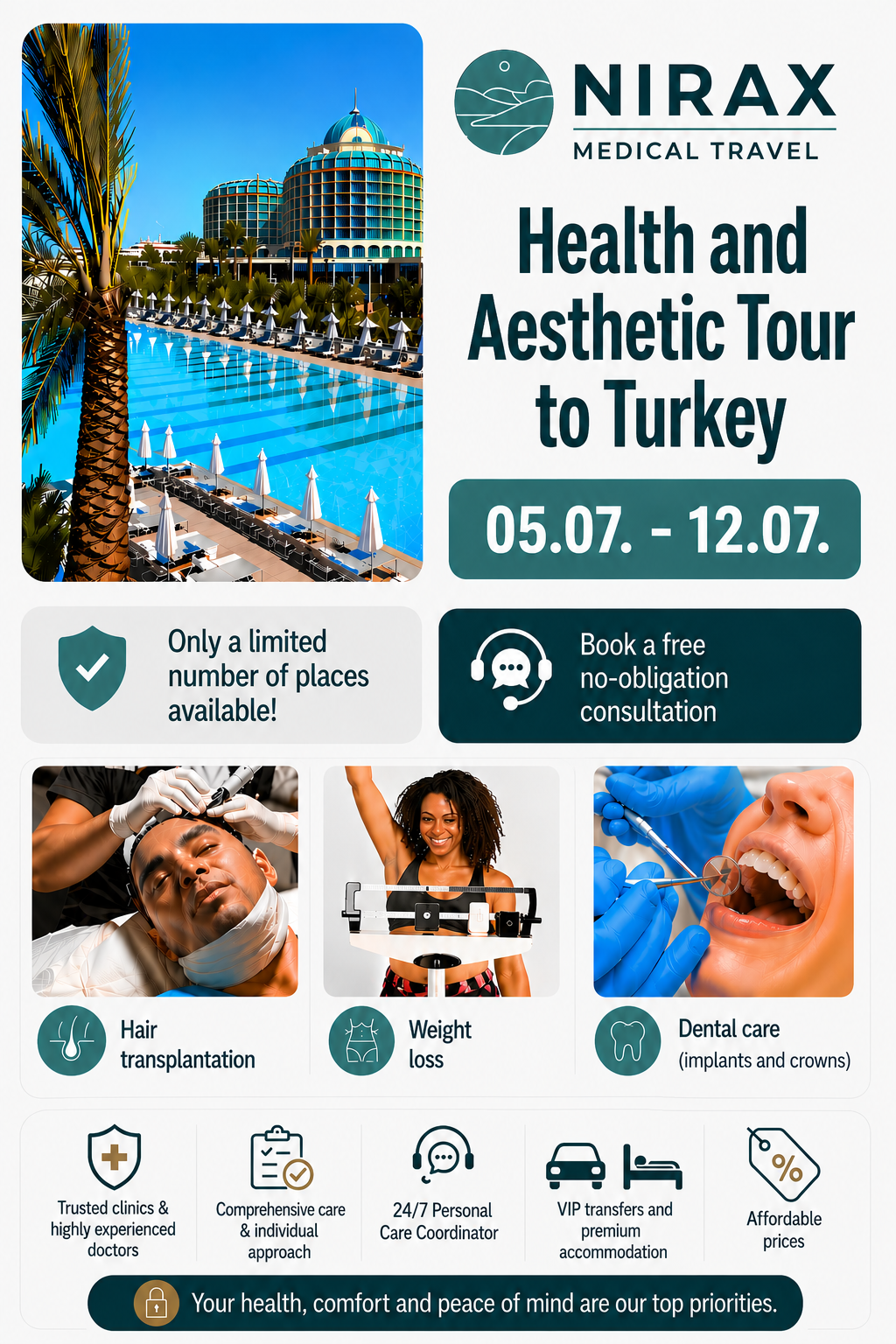
For many people, the appearance of the abdomen can be a major source of frustration. Even with consistent diet and exercise, achieving a firm and flat stomach is not always possible. This is often the case after pregnancy, weight changes, or when there is a natural tendency to store fat in the abdominal area.
In these situations, abdominoplasty, also known as a tummy tuck, may be an effective solution. This surgical procedure removes excess skin and tissue from the abdominal area to create a smoother, firmer, and flatter-looking stomach.
During a tummy tuck procedure, the surgeon usually makes an incision low on the abdomen, typically from hip to hip, or in some cases from the navel downward. The excess skin and fat are then pulled tight and removed. Throughout the procedure, the navel is generally preserved and remains attached to the abdominal wall.
In some cases, liposuction may also be used to remove additional fat from the abdominal area. After the operation, there will be a scar across the lower abdomen, which usually becomes less noticeable over time.
Patients are usually advised to stop smoking and avoid certain medications that could increase the risk of bleeding or affect anaesthesia. The surgeon will also provide guidance on proper nutrition and hydration before the procedure.
It is important to inform the surgeon about any medical conditions or medication allergies during the pre-operative consultation. Following all pre-surgery instructions carefully can help reduce the risk of complications and support a better result.
Immediately after a tummy tuck, it is normal to experience discomfort, swelling, and bruising. Temporary drainage tubes may also be placed to help remove excess fluid from the wound area.
It is important to follow the surgeon’s instructions regarding pain relief, wound care, and limits on physical activity. Patients are generally advised to rest and avoid strenuous exercise for several weeks after the procedure.
Compression garments are usually recommended to reduce swelling and support the abdominal area during healing.
Maintaining a healthy diet and overall lifestyle can also support recovery and improve the final result.
Recovery time varies depending on the patient and the extent of the surgery, but most people can return to normal activities within several weeks to a few months.
Like any surgical procedure, a tummy tuck also involves certain risks and possible complications. These can include bleeding, infection, blood clots, reactions to anaesthesia, scarring, numbness, and changes in skin colour.
Although uncommon, more serious complications may also occur, such as pulmonary embolism, cardiac problems, or severe reactions to anaesthesia.
It is important to discuss both the risks and the benefits of tummy tuck surgery with a qualified surgeon and to follow all pre-operative and post-operative instructions carefully in order to reduce the chance of complications.
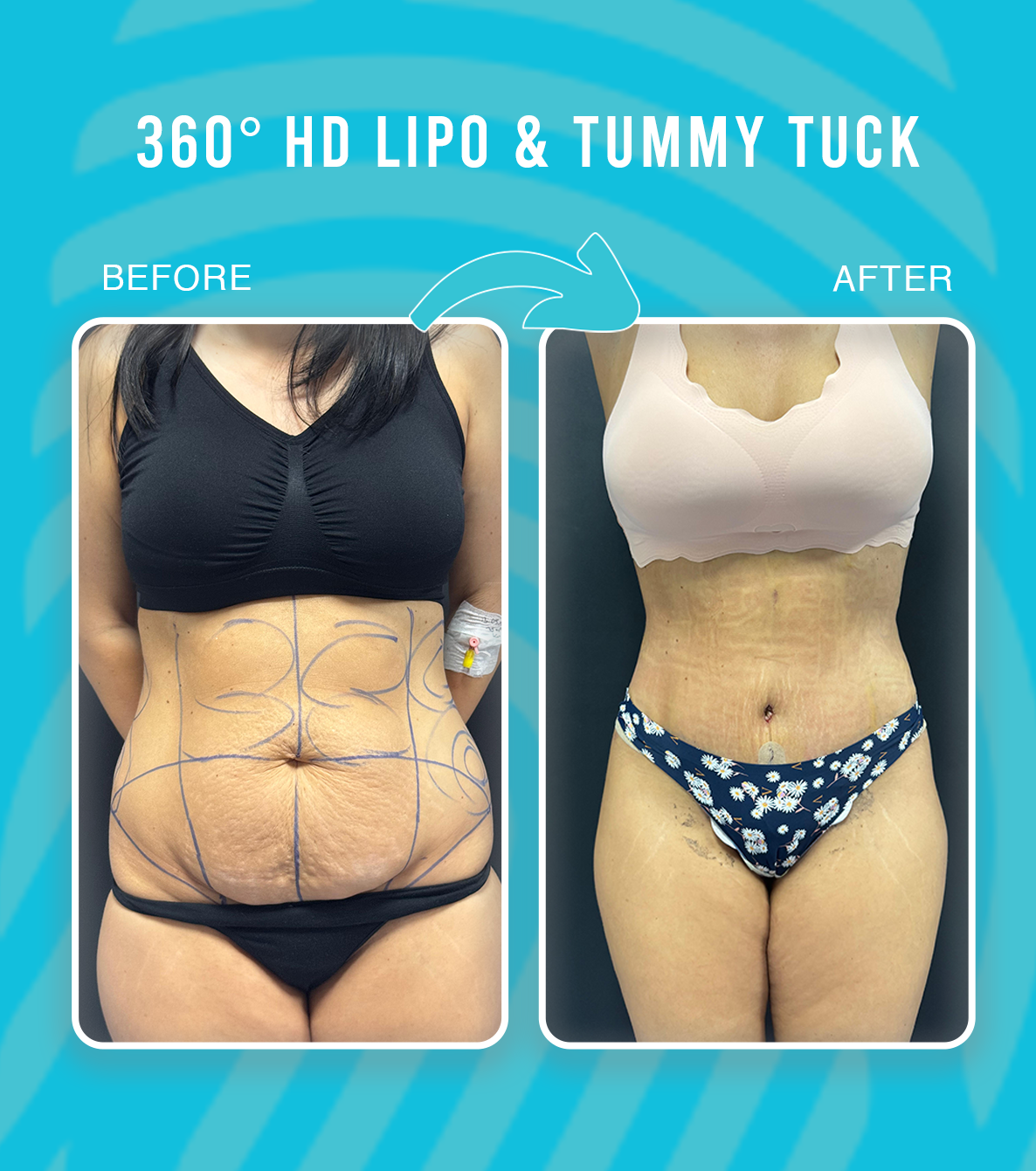
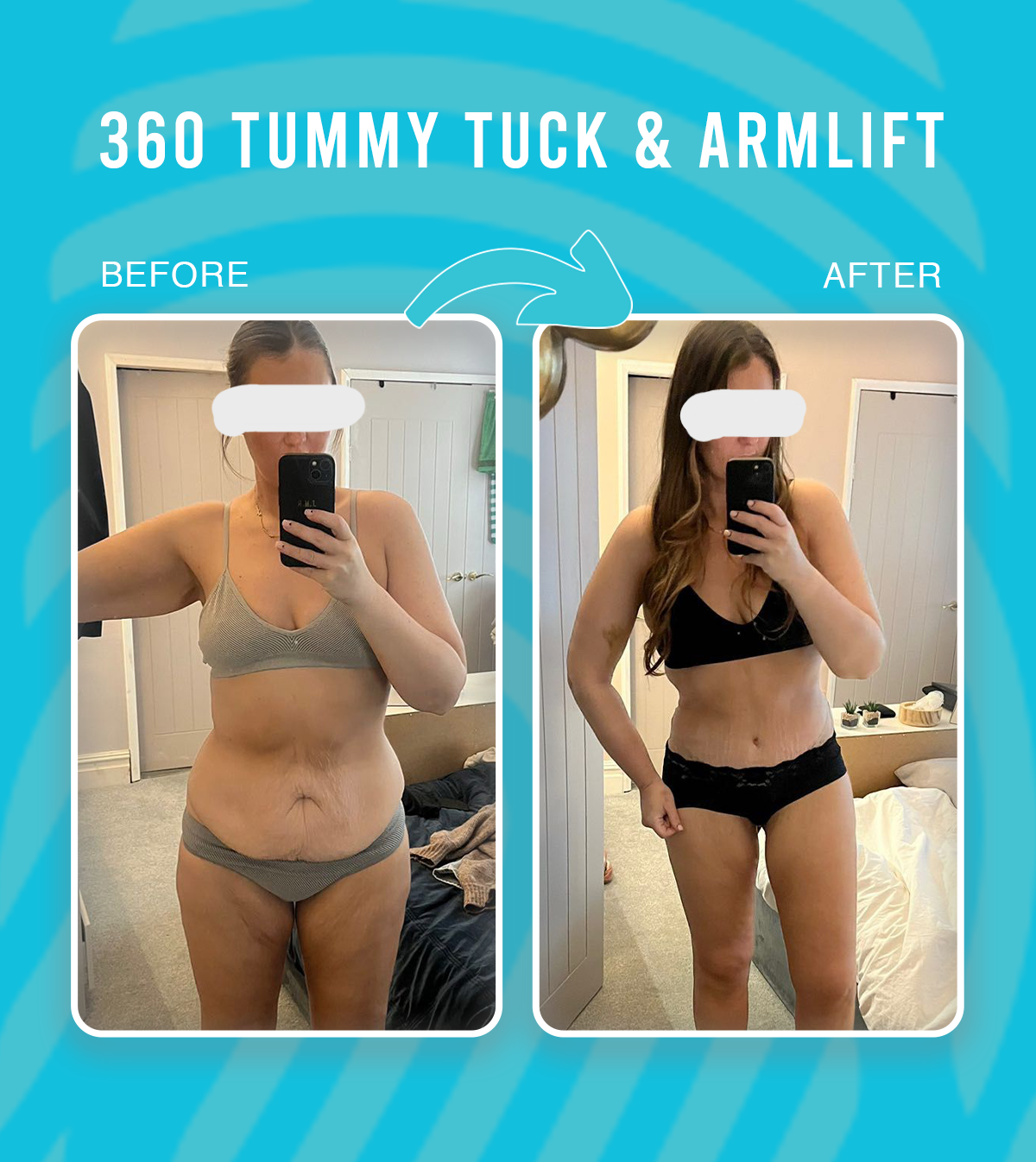
360° HD Lipo & Tummy Tuck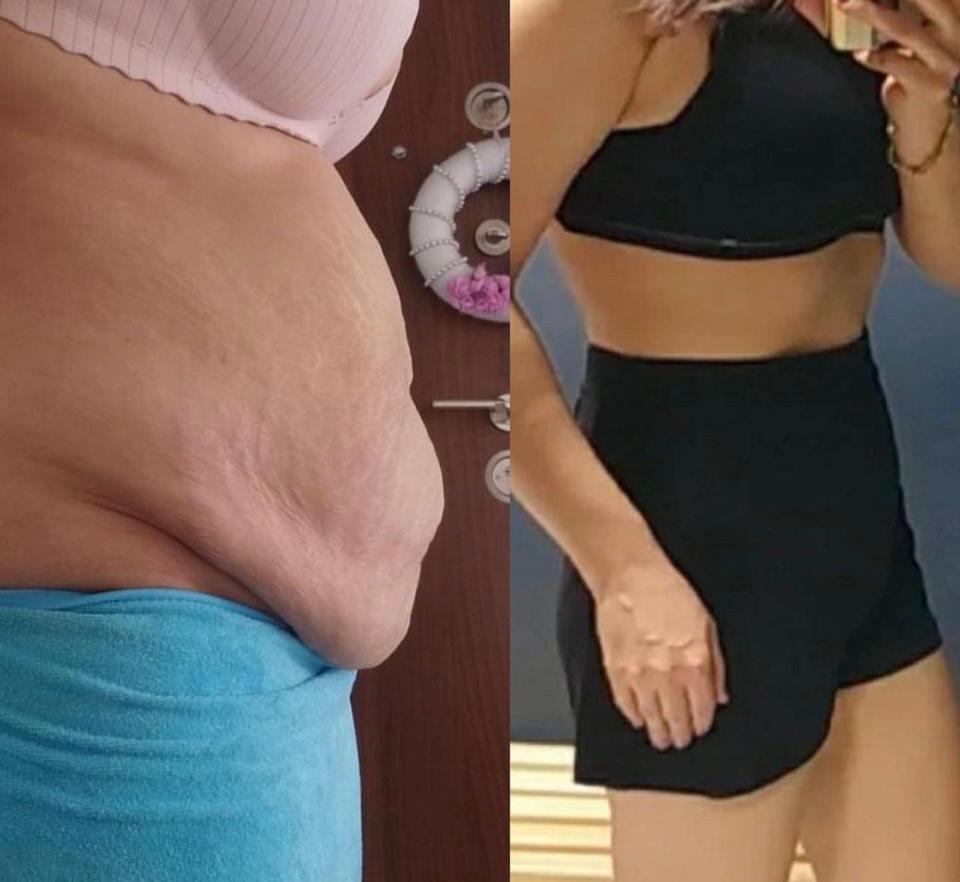
The price includes:
✅ VIP services including airport pick-up and drop-off
✅ Pre-operative care
✅ Post-operative care and support
✅ Medication after the procedure
✅ Long-term support
✅ 24/7 assistance – emergency contact available at all times
✅ 3 nights in a modern accredited medical facility
✅ 2 nights in a modern accredited medical facility*
✅ Daily visits by medical staff during the hotel stay (regular check-ups)
✅ Companion option at no extra cost (1 person)
✅ Advanced surgical techniques
✅ Complication insurance included
Not included in the price:
❌ Hotel accommodation beyond the package or based on individual requirements
Accommodation (optional / extra cost):
Club Hotel Sera – 5★
Lestay Hotel – 3★
👉 The length of stay will be recommended individually based on the type of procedure
👉 Hotel prices may vary depending on the season
You’ll return home happier and more beautiful than ever.

Nirax Medical Travel is your personal expert in organizing premium hair transplants, bariatric, plastic, and dental care in Antalya, Turkey.
Nirax Medical Travel is your personal expert in organizing premium hair transplants, bariatric, plastic, and dental care in Antalya, Turkey.

Nira Medical Travel on nelja ilukirurgia kliiniku ametlik esindaja Türgi populaarseimatesse kuurortlinnadesse Alanya ja Antalyasse.
Nira Medical Travel on nelja ilukirurgia kliiniku ametlik esindaja Türgi populaarseimatesse kuurortlinnadesse Alanya ja Antalyasse.
This website uses cookies to enhance your experience. Some are essential for site functionality, while others help us analyze and improve your usage experience. Please review your options and make your choice.
If you are under 16 years old, please ensure that you have received consent from your parent or guardian for any non-essential cookies.
Your privacy is important to us. You can adjust your cookie settings at any time. For more information about how we use data, please read our privacy policy. You may change your preferences at any time by clicking on the settings button below.
Note that if you choose to disable some types of cookies, it may impact your experience of the site and the services we are able to offer.
Some required resources have been blocked, which can affect third-party services and may cause the site to not function properly.
This website uses cookies to enhance your browsing experience and ensure the site functions properly. By continuing to use this site, you acknowledge and accept our use of cookies.